
What Are the Top 20 Healthiest Veg Foods to Eat
Discover the Top 20 Healthiest Vegetables for Boosting Your Health and Well-Being
In today’s world, a growing number of people are turning to vegetarian diets for health, ethical, and environmental reasons. Whether you’re a full-time vegetarian, a flexitarian, or simply someone looking to incorporate more plant-based meals into your diet, understanding the health benefits of various vegetarian foods is crucial. On Digital Reconnect, we delve into the world of vegetarian nutrition and highlight the top 20 healthiest vegetarian foods that you should consider adding to your diet.
Introduction
1. Spinach
Nutritional Profile
Spinach is a powerhouse of nutrients, rich in vitamins A, C, and K, as well as iron, magnesium, and manganese. It is also high in antioxidants, which help combat oxidative stress.
Health Benefits
- Bone Health: High in vitamin K, spinach supports bone health.
- Eye Health: Rich in lutein and zeaxanthin, spinach promotes healthy vision.
- Iron-Rich: As a plant-based source of iron, it helps prevent anemia.
How to Include in Your Diet
- Add fresh spinach to salads and smoothies.
- Use it as a base for a nutritious pesto sauce.
- Incorporate it into soups, stews, and stir-fries.
Spinach is Among the Most Healthiest Veg Foods to Eat, a Nutrient-Rich Leafy Green Superfood
Spinach, celebrated for its vibrant green color and versatile flavor, is a powerhouse of essential nutrients that contribute to overall health and well-being. As one of the most healthiest veg foods to eat, this leafy green offers a rich array of vitamins, minerals, and beneficial compounds, making it a nutritious addition to any diet. Enjoyed both for its taste and nutritional value, spinach provides essential nutrients that support various aspects of health.
Nutritional Profile of Spinach
Spinach is among the most healthiest veg foods to eat, rich in vitamins A, C, and K, which play crucial roles in supporting immune function, vision health, and bone health, respectively. Vitamin C in spinach acts as a powerful antioxidant, shielding cells from free radical damage and promoting collagen production for healthy skin. This leafy green is also a good source of minerals like iron, essential for oxygen transport in the blood, and magnesium, which supports muscle and nerve function. Spinach further provides manganese, important for bone formation and nutrient metabolism.
Health Benefits of Spinach
Incorporating spinach into your diet can offer numerous health benefits, establishing it as one of the most healthiest veg foods to eat. Spinach is particularly beneficial for bone health, thanks to its high vitamin K content, which supports bone mineralization and helps maintain bone density, reducing the risk of fractures. Additionally, spinach contributes to healthy vision due to its abundance of lutein and zeaxanthin, antioxidants that protect against age-related macular degeneration and cataracts.
As a plant-based source of iron, spinach plays a crucial role in preventing anemia, especially among vegetarians and vegans. Its non-heme iron can be optimized by pairing spinach with vitamin C-rich foods, enhancing iron absorption. Spinach is also renowned for its anti-inflammatory properties, thanks to its antioxidants like flavonoids and carotenoids. These compounds combat oxidative stress, potentially lowering the risk of chronic diseases such as heart disease, diabetes, and certain cancers.
Furthermore, spinach supports liver health by aiding in detoxification processes. Compounds such as chlorophyll and dietary fiber in spinach help cleanse the liver and facilitate toxin removal from the body. This detoxifying effect promotes optimal digestion and nutrient absorption, reinforcing spinach’s reputation as one of the most healthiest veg foods to eat.
How to Include Spinach in Your Diet
There are numerous delicious and nutritious ways to incorporate spinach into your meals:
- Add to Salads and Smoothies: Fresh spinach leaves can be added raw to salads for a nutrient boost without altering the flavor significantly. They can also be blended into smoothies with other fruits and vegetables for added nutrition.
- Cook as a Side Dish: Spinach can be quickly sautéed or steamed as a nutritious addition to any meal. Sauté with garlic and olive oil for a simple yet flavorful side dish, or steam and season with herbs and spices for added variety.
- Use in Soups and Stews: Spinach adds vibrant color and nutrition to soups and stews. Add chopped spinach leaves towards the end of cooking to retain their nutrients and vibrant color.
By incorporating spinach into your diet through these versatile methods, you can enjoy its numerous health benefits, including improved bone health, reduced inflammation, and support for overall well-being. As one of the most healthiest veg foods to eat, spinach can be enjoyed raw in salads, cooked as a side dish, or incorporated into various dishes to enhance flavor and nutrition.
2. Broccoli
Nutritional Profile
Broccoli is packed with vitamins C and K, fiber, and a variety of antioxidants. It also contains sulforaphane, a compound known for its cancer-fighting properties.
Health Benefits
- Cancer Prevention: Sulforaphane in broccoli has been linked to cancer prevention.
- Digestive Health: High in fiber, it aids digestion.
- Immune Support: Rich in vitamin C, it boosts the immune system.
How to Include in Your Diet
- Steam or roast broccoli as a side dish.
- Add it to salads, casseroles, and pasta dishes.
- Blend it into creamy soups.
Broccoli: A Nutrient-Dense Superfood Among the Most Healthiest Veg Foods to Eat
Broccoli, celebrated for its cruciferous nature and versatile culinary uses, is a powerhouse of essential nutrients that contribute significantly to overall health and well-being. As one of the most healthiest veg foods to eat, this vegetable offers a robust profile of vitamins, minerals, and antioxidants, making it a valuable addition to any diet. Enjoyed for its taste and nutritional value, broccoli provides essential nutrients that support various aspects of health.
Nutritional Profile of Broccoli
Broccoli stands out as one of the most healthiest veg foods to eat, rich in vitamins C and K. Vitamin C acts as a potent antioxidant, bolstering the immune system, supporting skin health, and aiding in the absorption of iron from plant-based sources. Vitamin K is essential for blood clotting and maintaining bone health. Additionally, broccoli is an excellent source of dietary fiber, which promotes digestive health by regulating bowel movements and preventing constipation. Broccoli also contains a diverse array of antioxidants, including flavonoids and carotenoids, which protect the body from oxidative stress and inflammation. Of particular note is sulforaphane, a sulfur-containing compound in broccoli studied for its potential cancer-fighting properties.
Health Benefits of Broccoli: A Nutrient-Dense Superfood Among the Most Healthiest Veg Foods to Eat
Broccoli offers a myriad of health benefits, with cancer prevention standing out prominently. Sulforaphane, found abundantly in broccoli, demonstrates protective effects against various cancers by neutralizing carcinogens and inhibiting cancer cell growth. Regular consumption of broccoli may lower the risk of cancers such as breast, prostate, and colon cancer. Beyond cancer prevention, broccoli supports digestive health due to its high fiber content, which aids in digestion and promotes a healthy gut microbiome.
Furthermore, broccoli’s ample vitamin C content boosts the immune system by stimulating white blood cell production, enhancing the body’s ability to combat infections. Vitamin C also functions as an antioxidant, shielding cells from free radical damage and contributing to overall health and vitality.
How to Include Broccoli in Your Diet, One of the Most Healthiest Veg Foods to Eat
Incorporating broccoli into your diet is simple and offers a variety of delicious options:
- Steam or Roast as a Side Dish: Preserve broccoli’s nutrients by steaming or roasting it lightly as a flavorful side dish. Season with olive oil, garlic, and lemon juice for added zest.
- Add to Salads and Main Dishes: Include broccoli in salads, casseroles, and pasta dishes to add texture and enhance nutritional value.
- Blend into Soups: Create creamy soups by blending broccoli with other vegetables and a base of vegetable or chicken broth. This enriches the soup’s flavor and increases its nutrient content.
By regularly incorporating broccoli into your meals through these versatile methods, you can harness its wide-ranging health benefits and enjoy its adaptability in various culinary creations. As one of the most healthiest veg foods to eat, broccoli supports overall well-being and offers a flavorful addition to a balanced diet.
3. Sweet Potatoes
Nutritional Profile
Sweet potatoes are an excellent source of beta-carotene, vitamins A and C, manganese, and dietary fiber.
Health Benefits
- Eye Health: High in beta-carotene, sweet potatoes support eye health.
- Immune System: Rich in vitamins A and C, they enhance immune function.
- Digestive Health: The fiber content aids in digestion and prevents constipation.
How to Include in Your Diet
- Bake or roast sweet potatoes for a nutritious side.
- Mash them as an alternative to regular mashed potatoes.
- Add to stews, soups, and curries.

Sweet Potatoes are Nutrient-Dense Root Vegetable Among the Most Healthiest Veg Foods to Eat
Sweet potatoes, celebrated for their vibrant color and versatile culinary uses, are a treasure trove of essential nutrients that contribute significantly to overall health and well-being. As one of the most healthiest veg foods to eat, these root vegetables offer a robust profile of vitamins, minerals, and antioxidants, making them a valuable addition to any diet. Enjoyed for their taste and nutritional value, sweet potatoes provide essential nutrients that support various aspects of health.
Nutritional Profile of Sweet Potatoes
Sweet potatoes stand out as one of the most healthiest veg foods to eat, rich in beta-carotene, vitamins A and C, manganese, and dietary fiber. Beta-carotene, a precursor to vitamin A, is crucial for eye health, immune function, and skin health.
Vitamins A and C act as potent antioxidants, protecting cells from damage and supporting immune function. Manganese plays a role in metabolism and bone health, while dietary fiber promotes digestive health by supporting regular bowel movements and preventing constipation. The antioxidants present in sweet potatoes further contribute to overall health by neutralizing free radicals, thereby reducing inflammation and lowering the risk of chronic diseases.
Health Benefits of Sweet Potatoes: Among the Most Healthiest Veg Foods for Optimal Nutrition
Sweet potatoes offer a range of health benefits, positioning them as a valuable addition to any diet. Their high beta-carotene content is particularly beneficial for eye health, supporting vision in low-light conditions and reducing the risk of age-related macular degeneration. Vitamins A and C found in sweet potatoes strengthen the immune system, aiding the body in fighting off infections and illnesses.
Additionally, the fiber content in sweet potatoes supports digestion by promoting the growth of beneficial gut bacteria, maintaining bowel regularity, and reducing the risk of digestive disorders like diverticulosis. The antioxidants present in sweet potatoes contribute to overall health by neutralizing free radicals, reducing inflammation, and lowering the risk of chronic diseases.
Creative Ways to Incorporate Sweet Potatoes into Your Diet Among the Most Healthiest Veg Foods to Eat
Incorporating sweet potatoes into your diet is simple and can add both flavor and nutrition to your meals:
- Bake or Roast: Enhance the natural sweetness of sweet potatoes by baking or roasting them. Simply scrub the sweet potatoes, pierce them with a fork, and bake in the oven until tender. Enjoy them as a nutritious side dish or incorporate them into various recipes.
- Mash: Create a healthier alternative to traditional mashed potatoes by mashing sweet potatoes with a touch of butter and seasoning. This adds extra flavor and nutritional benefits.
- Soups, Stews, and Curries: Add sweet potatoes to soups, stews, and curries for a hearty texture and subtle sweetness that complements savory dishes.
By regularly including sweet potatoes in your meals through these versatile methods, you can harness their abundant nutrients and health-promoting properties, ensuring a balanced and nourishing diet that supports optimal health.
4. Lentils
Nutritional Profile
Lentils are a fantastic source of protein, iron, folate, and fiber. They also contain an array of vitamins and minerals essential for overall health.
Health Benefits
- Heart Health: High fiber content helps lower cholesterol.
- Blood Sugar Control: Lentils have a low glycemic index, making them suitable for blood sugar management.
- Rich in Protein: An excellent protein source for vegetarians and vegans.
How to Include in Your Diet
- Use lentils in soups, stews, and salads.
- Make lentil burgers or patties.
- Incorporate them into Indian dishes like dal.
Lentils: Nutrient-Dense Legumes Essential Among the Most Healthiest Veg Foods to Eat
Lentils, celebrated for their nutritional density and culinary versatility, are a powerhouse of essential nutrients that contribute significantly to overall health and well-being. As one of the most healthiest veg foods to eat, these legumes offer a robust profile of vitamins, minerals, and dietary fiber, making them a valuable addition to any diet. Enjoyed for their taste and nutritional value, lentils provide essential nutrients that support various aspects of health.
Nutritional Profile of Lentils
Lentils stand out as one of the most healthiest veg foods to eat, rich in protein, iron, folate, and fiber. They also contain a range of vitamins and minerals essential for optimal health. Lentils are a superb plant-based protein source, crucial for muscle repair, immune function, and overall growth and development. Iron in lentils supports oxygen transport in the blood, while folate is necessary for DNA synthesis and cell division. Their high fiber content promotes digestive health by aiding regular bowel movements and enhancing satiety.
Health Benefits of Lentils: Essential Among the Most Healthiest Veg Foods to Eat
Incorporating lentils into your diet offers a host of health benefits, making them one of the most healthiest veg foods to eat and a valuable addition to any meal plan. Lentils contribute to heart health through their soluble fiber, which helps lower cholesterol levels and reduces the risk of cardiovascular diseases like heart attacks and strokes. The potassium content in lentils further supports heart function by regulating blood pressure.
For blood sugar control, lentils have a low glycemic index, meaning they are digested slowly and cause a gradual rise in blood sugar levels. This property makes lentils beneficial for managing blood sugar levels, making them suitable for individuals with diabetes or those aiming to stabilize energy levels.
Additionally, lentils are a rich source of protein, providing essential amino acids necessary for muscle repair, immune function, and hormone production. This aspect supports overall health, especially in vegetarian and vegan diets.
How to Include Lentils in Your Diet
Incorporate lentils into your meals through these versatile methods:
- Soups, Stews, and Salads: Lentils add texture and nutritional value to soups, stews, and salads, enhancing their overall richness. They absorb flavors well and complement various ingredients.
- Lentil Burgers or Patties: Create nutritious lentil burgers or patties by mashing cooked lentils with spices and binding agents like breadcrumbs. Pan-fry or bake them for a satisfying meat-free alternative.
- Indian Dishes (Dal): Lentils are a staple in Indian cuisine, particularly in dal, where they are simmered with spices and served with rice or bread. This preparation method enhances their flavor and retains their nutritional benefits.
- Incorporate into Grain Bowls: Use cooked lentils as a protein-rich addition to grain bowls, combining them with vegetables, grains like quinoa or brown rice, and a flavorful dressing for a balanced meal.
By regularly incorporating lentils into your meals through these diverse methods, you can enjoy their nutritional benefits while adding variety and richness to your diet. Lentils’ versatility makes them a valuable ingredient for promoting overall health and well-being, whether used as a main dish, side dish, or incorporated into various culinary creations.
5. Chickpeas
Nutritional Profile
Chickpeas are rich in protein, fiber, vitamins, and minerals, including manganese, folate, and iron.
Health Benefits
- Heart Health: Fiber content supports heart health by lowering cholesterol.
- Weight Management: High protein and fiber help keep you full longer.
- Digestive Health: Fiber aids in maintaining a healthy digestive system.
How to Include in Your Diet
- Add to salads and grain bowls.
- Use in soups, stews, and curries.
- Blend into hummus for a healthy dip.

Chickpeas: Nutrient-Rich Powerhouse Among the Healthiest Vegetarian Foods to Eat
Chickpeas, also known as garbanzo beans, are renowned for their impressive nutritional composition, establishing them as one of the most healthiest veg foods to eat. They offer a balanced blend of protein, fiber, vitamins, and minerals essential for overall health. As a plant-based protein source, chickpeas provide a substantial amount of protein along with significant levels of dietary fiber.
Rich in vitamins and minerals, including manganese, folate, iron, and phosphorus, chickpeas contribute essential nutrients to your diet. They contain crucial B vitamins such as folate (vitamin B9), which supports cell division and DNA synthesis, and provide a good source of iron, vital for oxygen transport in the blood and overall energy production. Chickpeas also contribute to daily manganese intake, supporting bone health, wound healing, and metabolism regulation.
Moreover, the high fiber content in chickpeas promotes digestive health by supporting regular bowel movements, preventing constipation, and maintaining a healthy gut microbiome.
Nutritional Profile of Chickpeas
Chickpeas stand out as one of the most healthiest veg foods to eat, rich in protein, fiber, vitamins, and minerals essential for overall health. They provide a substantial amount of protein and fiber, crucial for muscle repair, immune function, and overall growth and development.
Chickpeas are also a significant source of manganese, folate, iron, and phosphorus. Manganese supports bone health, wound healing, and metabolism regulation, while folate is essential for DNA synthesis and cell division. Iron in chickpeas plays a vital role in oxygen transport in the blood and overall energy production. Additionally, the high fiber content in chickpeas promotes digestive health by supporting regular bowel movements, preventing constipation, and aiding in the maintenance of a healthy gut microbiome.
Health Benefits of Chickpeas: Among the Most Healthiest Veg Foods to Eat
Incorporating chickpeas into your diet offers numerous health benefits that establish them as one of the most healthiest veg foods to eat, contributing to overall well-being. One of the key benefits is their positive impact on heart health. The soluble fiber found in chickpeas helps lower LDL cholesterol levels, reducing the risk of cardiovascular diseases such as heart attacks and strokes.
Additionally, the combination of protein and fiber in chickpeas promotes satiety, helping you feel full and satisfied for longer periods, which can aid in weight management and control. Chickpeas also support digestive health due to their high fiber content, promoting regularity and contributing to a healthy digestive system overall.
How to Include Chickpeas in Your Diet
To incorporate chickpeas into your diet, consider their versatility and nutritional benefits, making them a valuable addition to various meals:
- Salads and Grain Bowls: Enhance protein and fiber content by adding chickpeas to salads or grain bowls, providing a satisfying crunch alongside vegetables and dressings.
- Soups, Stews, and Curries: Add texture and substance to dishes like soups, stews, and curries, where chickpeas absorb flavors and complement spices and other ingredients well.
- Hummus: Blend chickpeas into hummus for a creamy and nutritious dip or spread, ideal for snacking, sandwiches, or as an appetizer with vegetables or pita bread.
Chickpeas offer a nutrient-dense option that supports digestive health and overall well-being whether used in savory dishes or incorporated into sweet recipes. Regularly including chickpeas in your meals allows you to enjoy their delicious versatility while reaping the nutritional rewards, promoting optimal health and satisfaction in your diet.
6. Quinoa
Nutritional Profile
Quinoa is a complete protein, providing all nine essential amino acids. It is also rich in fiber, magnesium, B vitamins, iron, potassium, calcium, and vitamin E.
Health Benefits
- Protein-Rich: Ideal for muscle repair and growth.
- Digestive Health: High fiber content aids in digestion.
- Nutrient-Dense: Packed with vitamins and minerals for overall health.
How to Include in Your Diet
- Use as a base for salads and grain bowls.
- Substitute for rice or pasta in various dishes.
- Add to soups and stews for extra nutrition.
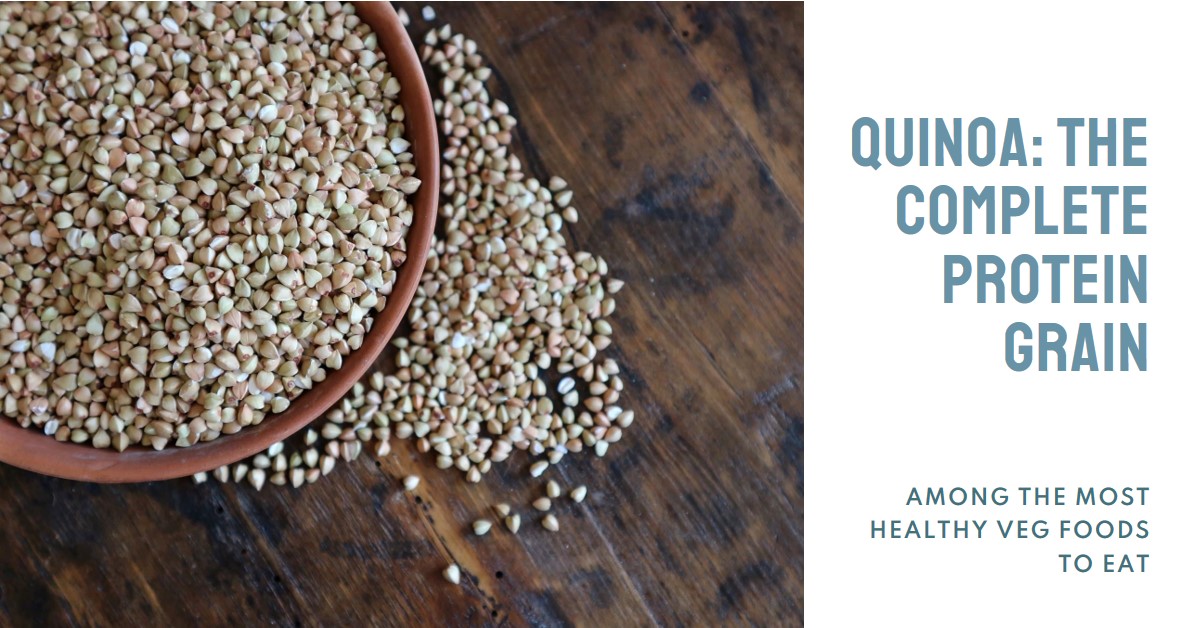
Quinoa: Complete Protein Grain Among the Most Healthiest Veg Foods to Eat
Quinoa is celebrated as a nutritional powerhouse, offering a unique combination of essential nutrients that establish it as one of the most healthiest veg foods to eat, contributing to overall health and well-being. As a complete protein, quinoa stands out by providing all nine essential amino acids necessary for human nutrition, making it an excellent plant-based protein source, particularly valuable for vegetarians and vegans.
Quinoa is also rich in dietary fiber, which supports digestive health by promoting regular bowel movements and aiding in the prevention of constipation. In addition to protein and fiber, quinoa boasts a diverse array of vitamins and minerals essential for various bodily functions. It is particularly high in magnesium, which plays a role in muscle and nerve function, as well as B vitamins like folate and riboflavin, crucial for energy metabolism and cell function.
Quinoa also provides significant amounts of iron, potassium, calcium, and vitamin E, contributing to its status as a nutrient-dense food.
Nutritional Profile of Quinoa
Quinoa stands out as one of the most healthiest veg foods to eat, offering a rich source of complete protein, dietary fiber, vitamins, and minerals. It provides all nine essential amino acids necessary for human nutrition, making it a valuable plant-based protein source for vegetarians and vegans. Quinoa is also high in magnesium, supporting muscle and nerve function, and contains essential B vitamins such as folate and riboflavin for energy metabolism and cell function. Additionally, quinoa is rich in iron, potassium, calcium, and vitamin E, further enhancing its nutrient density.
Health Benefits of Including Quinoa in Your Daily Veg Diet
Incorporating quinoa into your diet offers a multitude of health benefits, making it a valuable addition to any meal plan. As one of the most healthiest veg foods to eat, quinoa’s high protein content makes it ideal for muscle repair and growth, supporting active lifestyles and exercise recovery. The combination of protein and fiber in quinoa helps regulate blood sugar levels and promotes a feeling of fullness, which can aid in weight management and control.
Quinoa’s nutrient density provides essential vitamins and minerals that contribute to overall health, including bone health, immune function, and heart health. The magnesium in quinoa supports cardiovascular health by regulating blood pressure and maintaining heart rhythm, while potassium helps balance fluids and electrolytes in the body.
By incorporating quinoa, one of the most healthiest veg foods to eat, into your diet, you can enhance your overall well-being and support a balanced, nutritious lifestyle.
Ways to Include Quinoa in Your Diet
Quinoa’s versatility allows for various delicious and nutritious culinary uses:
- Salads and Grain Bowls: Use quinoa as a base for salads or grain bowls, combining it with vegetables, greens, proteins, and dressings for a balanced meal.
- Substitute for Rice or Pasta: Replace rice or pasta with quinoa in stir-fries, pilafs, or casseroles to enhance nutritional content and add a nutty flavor.
- Incorporate into Soups and Stews: Add cooked quinoa to soups and stews to boost texture and nutrition, absorbing flavors and adding heartiness.
By exploring these creative ways to include quinoa in your diet, you can enjoy its nutritional benefits while adding variety and flavor to your meals. Whether as a salad base, a rice substitute, or an addition to soups, quinoa offers a nutrient-rich option that supports a healthy lifestyle and culinary enjoyment.
Quinoa’s versatility, nutritional richness, and complete protein profile make it an excellent choice for enhancing your diet with wholesome and nutrient-dense foods. Regularly incorporating quinoa into your meals allows you to enjoy its health benefits while adding variety and flavor to your culinary repertoire.
7. Kale
Nutritional Profile
Kale is exceptionally high in vitamins A, K, and C, as well as calcium, potassium, and various antioxidants.
Health Benefits
- Bone Health: Rich in vitamin K and calcium.
- Antioxidant Power: High antioxidant content helps reduce inflammation.
- Heart Health: Potassium and fiber support heart health.
How to Include in Your Diet
- Add to smoothies and juices.
- Use in salads and soups.
- Make kale chips as a healthy snack.
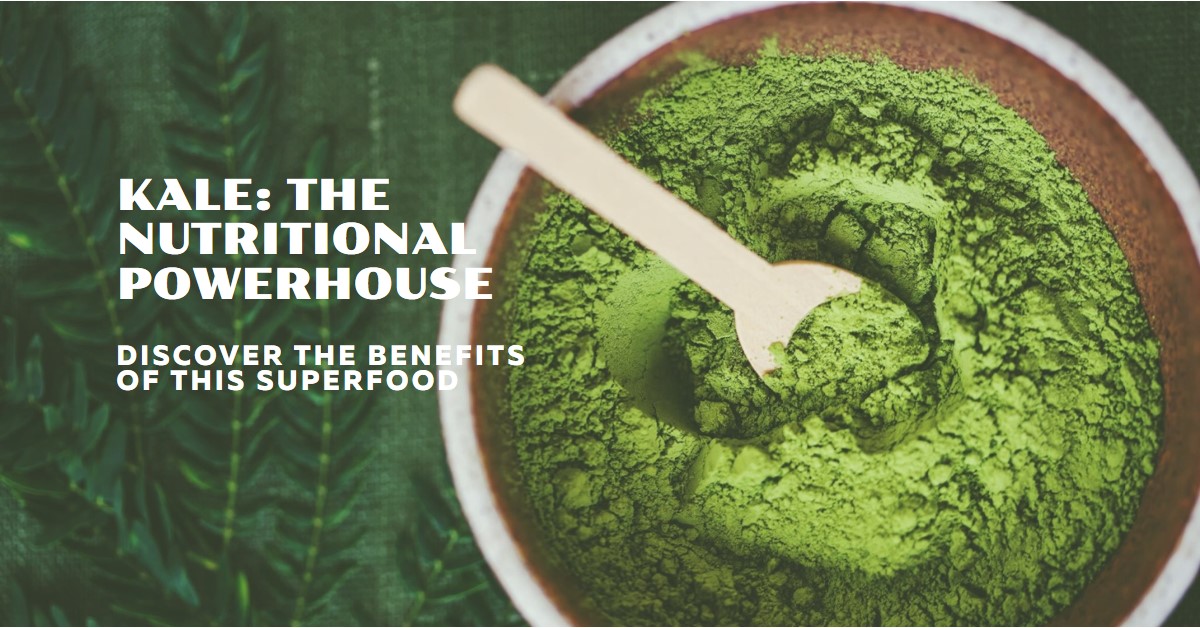
Kale the Nutritional Powerhouse Among the Most Healthiest Veg Foods to Eat
Kale has established itself as a nutritional powerhouse due to its rich assortment of vitamins, minerals, and antioxidants. This leafy green is notably high in vitamins A, K, and C, which are essential for various bodily functions. As one of the most healthiest veg foods to eat, kale’s vitamin A supports vision health, skin integrity, and immune function, while vitamin K contributes significantly to bone health by aiding in calcium absorption and maintaining bone density. Vitamin C, a potent antioxidant found abundantly in kale, boosts the immune system, promotes healthy skin, and supports collagen production for tissue repair and elasticity.
Kale also provides substantial amounts of calcium and potassium, minerals crucial for bone strength, muscle function, and regulating blood pressure levels. Additionally, kale’s diverse antioxidant content, including flavonoids and carotenoids, helps combat oxidative stress and inflammation, contributing to overall health and disease prevention. Incorporating kale into your diet ensures you reap the benefits of one of the most healthiest veg foods to eat, enhancing your overall well-being with every serving.
Nutritional Profile of Kale
Kale is recognized as one of the most healthiest veg foods to eat, providing a rich source of vitamins, minerals, and antioxidants crucial for overall health. This leafy green vegetable is particularly abundant in vitamins A, K, and C, which are essential for vision, bone health, immune function, and collagen production. Kale also boasts significant amounts of calcium and potassium, supporting bone strength, muscle function, and maintaining optimal blood pressure levels.
Its diverse antioxidant profile, including flavonoids and carotenoids, helps combat oxidative stress and inflammation, thereby promoting overall health and potentially reducing the risk of chronic diseases such as heart disease and arthritis. Including kale in your diet can enhance your nutrient intake significantly, making it an excellent choice among the most healthiest veg foods to eat.
Health Benefits of Including Kale in Your Daily Veg Diet
Incorporating kale into your diet offers numerous health benefits, making it a valuable addition to any meal plan. Its rich vitamin K and calcium content support bone health by enhancing calcium absorption and maintaining bone density, reducing the risk of osteoporosis and fractures.
Kale’s high levels of antioxidants, including vitamins A, C, and K, help neutralize free radicals, thereby reducing inflammation and potentially lowering the risk of chronic diseases like heart disease and arthritis.
Kale’s potassium content, along with its fiber, supports heart health by promoting healthy blood pressure levels and aiding in cholesterol regulation. Additionally, the fiber in kale contributes to digestive health, supporting regular bowel movements and maintaining a healthy gut microbiome.
Kale stands out as one of the most healthiest veg foods to eat due to its comprehensive nutritional benefits.
Ways to Include Kale in Your Diet
Kale’s versatility allows for various delicious and nutritious culinary uses:
- Smoothies and Juices: Blend kale into smoothies or juices with fruits like bananas and berries to boost your intake of vitamins A, C, and K, calcium, and potassium.
- Salads and Soups: Add raw or lightly steamed kale to salads or soups to introduce texture and increase nutritional value. Massaging kale with olive oil and lemon juice before adding it to salads can improve its taste and texture.
- Kale Chips: Bake kale leaves coated with olive oil and seasonings until crispy to create kale chips, a nutritious snack rich in vitamins and antioxidants.
- Sauteed Kale: Saute kale with garlic and olive oil as a delicious side dish or as a base for pasta dishes, enhancing both flavor and nutrition.
By regularly incorporating kale into your meals through these versatile methods, you can enjoy its health benefits, including improved bone health, antioxidant support, and heart health benefits. Embrace kale in your diet to add variety, flavor, and essential nutrients that support overall well-being with every serving.
Kale’s versatility, nutritional richness, and array of health benefits make it an excellent choice for enhancing your diet with wholesome and nutrient-dense foods. Regularly incorporating kale into your meals allows you to enjoy its health benefits while adding variety and flavor to your culinary repertoire.
8. Avocados
Nutritional Profile
Avocados are rich in healthy monounsaturated fats, fiber, potassium, and vitamins C, E, K, and B-6.
Health Benefits
- Heart Health: Healthy fats support cardiovascular health.
- Nutrient Absorption: Fat content helps absorb fat-soluble vitamins.
- Digestive Health: High fiber aids in digestion.
How to Include in Your Diet
- Add to salads and sandwiches.
- Use as a spread on toast or in dips like guacamole.
- Incorporate into smoothies for a creamy texture.
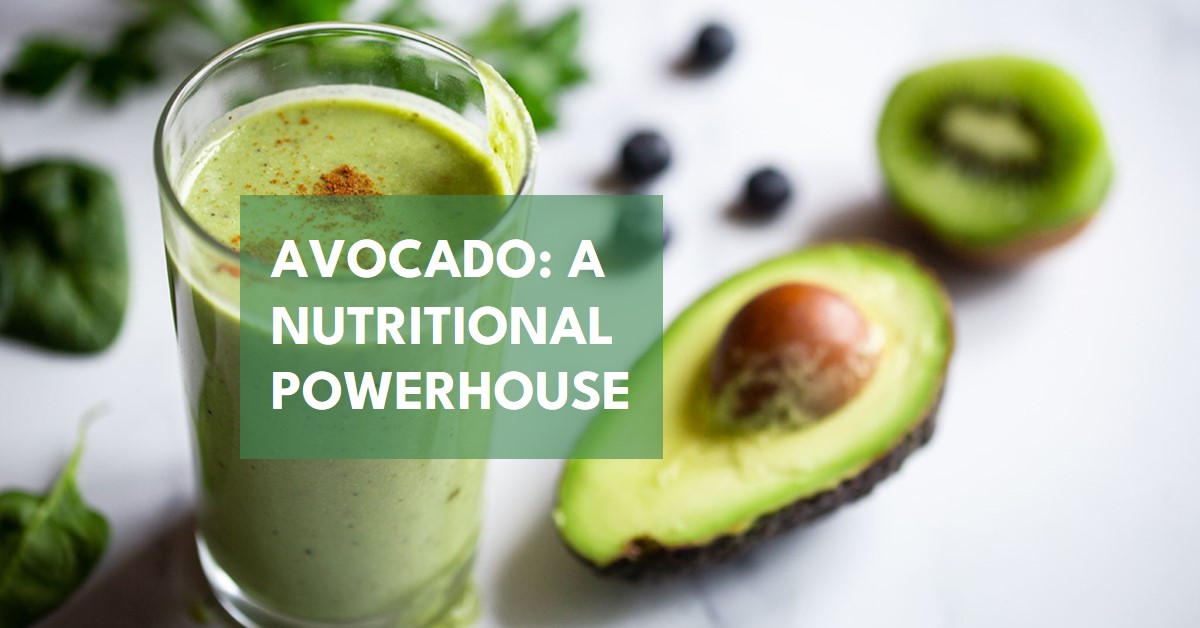
Avocado the Nutritional Powerhouse Among the Most Healthiest Veg Foods to Eat
Avocados stand out as a nutritional powerhouse due to their rich composition of healthy monounsaturated fats, fiber, potassium, and a spectrum of vitamins including C, E, K, and B-6. These nutrients collectively contribute to a wide array of health benefits, making avocados one of the most healthiest veg foods to eat.
Nutritional Profile of Avocado
Avocados are notably high in monounsaturated fats, particularly oleic acid, which supports cardiovascular health by helping to lower LDL cholesterol levels while maintaining healthy HDL cholesterol levels. They also provide a substantial amount of dietary fiber, essential for digestive health and maintaining regular bowel movements. Potassium, another key nutrient in avocados, plays a crucial role in regulating blood pressure and supporting proper muscle function.
Avocados are also rich in vitamins C and E, potent antioxidants that contribute to immune function and skin health, respectively. They contain vitamin K for bone health and vitamin B-6 for cellular metabolism. Avocados stand out as one of the most healthiest veg foods to eat, offering a comprehensive range of nutrients beneficial for overall health and well-being.
Health Benefits of Avocado
Incorporating avocados into your diet offers numerous health benefits, making them one of the most healthiest veg foods to eat. Avocados are rich in monounsaturated fats, particularly oleic acid, which supports cardiovascular health by lowering LDL cholesterol levels and maintaining healthy HDL cholesterol levels. These heart-healthy fats help reduce the risk of heart disease. Additionally, avocados are packed with dietary fiber, which promotes digestion, supports a healthy gut, and prevents constipation.
Avocados also boast a rich array of vitamins essential for overall health. They are abundant in vitamin C, a potent antioxidant that supports immune function, helping the body fight off infections. Vitamin E in avocados contributes to skin health, maintaining its elasticity and protecting against damage from free radicals. Vitamin K supports bone health by aiding calcium absorption and plays a role in blood clotting. Vitamin B-6 in avocados is crucial for cellular metabolism, supporting the body’s energy production and nerve function.
Including avocados in your regular diet provides a delicious way to enhance your nutritional intake, supporting heart health, digestive function, immune response, and skin vitality. Whether enjoyed in salads, sandwiches, or smoothies, avocados offer a versatile and nutrient-dense addition to meals that promotes overall well-being.
How to Include Avocados in Your Diet
Avocados are a versatile addition to your diet, offering numerous delicious ways to incorporate them into meals:
- Salads and Sandwiches: Add avocados to salads and sandwiches for a creamy texture and rich flavor that complements a variety of vegetables and proteins like chicken or tofu. They pair well with different dressings, adding a satisfying creaminess and nutritional boost to your meal.
- Toast Spread: Use mashed avocado as a spread on toast instead of butter or mayo. This not only enhances the flavor of toast but also provides essential nutrients.
- Guacamole: Avocados are a key ingredient in guacamole, a flavorful dip made by combining them with fresh tomatoes, onions, lime juice, and cilantro. This vibrant mix offers a burst of fresh flavors and provides a healthy dose of vitamins and minerals.
- Smoothies: Blend avocados into smoothies to elevate their texture and nutritional content. Mixed with fruits such as bananas, berries, or mangoes, avocados add a creamy richness to smoothies while boosting their fiber and healthy fat content. This combination creates a refreshing and satisfying beverage that can be enjoyed as a nutritious snack or part of a meal.
By incorporating avocados into your meals through these versatile methods, you can harness their nutritional benefits to support heart health, digestive function, and overall well-being. Whether as a topping, spread, or blended into beverages, avocados offer a convenient and nutritious addition that enhances the flavor and nutritional content of your meals while promoting optimal health and vitality.
9. Almonds
Nutritional Profile
Almonds are packed with healthy fats, protein, fiber, vitamin E, magnesium, and antioxidants.
Health Benefits
- Heart Health: Healthy fats and vitamin E support heart health.
- Weight Management: Protein and fiber promote satiety.
- Skin Health: Vitamin E promotes healthy skin.
How to Include in Your Diet
- Snack on raw or roasted almonds.
- Add to salads, oatmeal, and yogurt.
- Use almond butter as a spread or in smoothies.
Almonds are nutrient-rich nuts that stand out among the Most Healthiest Veg Foods to Eat
Almonds are celebrated for their exceptional nutritional profile, establishing them as one of the most healthiest veg foods to eat. They are rich in healthy fats, predominantly monounsaturated fats, which support heart health by reducing LDL cholesterol levels. Additionally, almonds provide a significant source of plant-based protein, essential for muscle repair and growth, making them valuable for vegetarian and vegan diets.
Fiber is another standout feature of almonds, promoting digestive health by supporting regular bowel movements and contributing to a feeling of fullness, aiding in weight management. Almonds are also packed with vitamin E, a powerful antioxidant that helps protect cells from oxidative damage and supports skin health.
Magnesium in almonds plays a crucial role in over 300 biochemical reactions in the body, including energy production and muscle function. Alongside these nutrients, almonds contain antioxidants like flavonoids and phenols, which combat oxidative stress and inflammation, contributing to overall health and potentially reducing the risk of chronic diseases such as heart disease and diabetes.
Incorporating almonds into your daily diet offers numerous health benefits. Whether enjoyed as a snack, added to salads, or blended into smoothies, almonds provide a versatile and nutrient-dense option that supports heart health, digestive function, and overall well-being.
Nutritional Profile of Almonds
Almonds are densely packed with nutrients essential for overall health, establishing them as one of the most healthiest veg foods to eat. They are notably high in healthy fats, primarily monounsaturated fats, which promote heart health by lowering LDL cholesterol levels and reducing the risk of cardiovascular diseases.
In addition to their heart-healthy fats, almonds are an excellent source of protein and fiber. Protein supports muscle repair and growth, making almonds beneficial for maintaining muscle health, especially in vegetarian and vegan diets. The fiber content in almonds aids digestion, promotes feelings of fullness, and supports weight management.
Almonds are rich in vitamin E, a potent antioxidant that plays a crucial role in maintaining healthy skin and protecting cells from oxidative damage caused by free radicals. Moreover, almonds provide magnesium, which supports muscle function and bone health, contributing to overall physical well-being.
The diverse array of antioxidants in almonds, including flavonoids and phenols, further enhances their health benefits by combating oxidative stress and inflammation. Regular consumption of almonds can contribute to improved heart health, digestive function, and overall well-being.
Health Benefits of Almonds
Almonds offer numerous health benefits when incorporated into your diet, establishing them as one of the most healthiest veg foods to eat. Their unique combination of nutrients supports various aspects of health.
Almonds are rich in healthy fats, particularly monounsaturated fats, which are beneficial for heart health. These fats help reduce inflammation and improve blood vessel function, contributing to cardiovascular well-being. Additionally, almonds contain vitamin E, a potent antioxidant that protects cells from oxidative stress and supports skin health by maintaining elasticity and protecting against UV damage.
Moreover, almonds are a valuable source of protein and fiber. Protein aids in muscle repair and growth, while fiber promotes satiety and aids in weight management by controlling hunger between meals. This makes almonds an excellent choice for a nutritious snack that supports overall dietary balance.
Furthermore, almonds provide magnesium, which supports muscle relaxation and helps regulate blood pressure levels. The combination of these nutrients in almonds makes them a versatile addition to any diet, promoting heart health, supporting skin vitality, and aiding in overall well-being.
How to Include in Your Diet
There are several delicious and practical ways to incorporate almonds into your daily meals:
- Snack on Raw or Roasted Almonds: Enjoy a handful of raw or roasted almonds as a nutritious snack to satisfy cravings and provide a quick energy boost.
- Add to Salads, Oatmeal, and Yogurt: Sprinkle sliced almonds over salads, oatmeal, or yogurt to add a crunchy texture and boost of protein and healthy fats.
- Use Almond Butter: Spread almond butter on toast or use it as a dip for fruits and vegetables. It can also be blended into smoothies for a creamy texture and nutty flavor.
By incorporating almonds into your diet through these versatile methods, you can capitalize on their nutritional benefits to support heart health, weight management, and skin vitality. Whether enjoyed as a snack or incorporated into meals, almonds offer a convenient and nutrient-rich addition that enhances both the flavor and nutritional value of your diet while promoting overall well-being.
10. Blueberries
Nutritional Profile
Blueberries are rich in vitamins C and K, fiber, and various antioxidants, including anthocyanins.
Health Benefits
- Brain Health: Antioxidants support cognitive function.
- Heart Health: Anthocyanins help reduce the risk of heart disease.
- Immune Support: High in vitamin C, they boost the immune system.
How to Include in Your Diet
- Add to smoothies, yogurt, and oatmeal.
- Use in baking for healthy muffins and pancakes.
- Eat as a fresh snack.
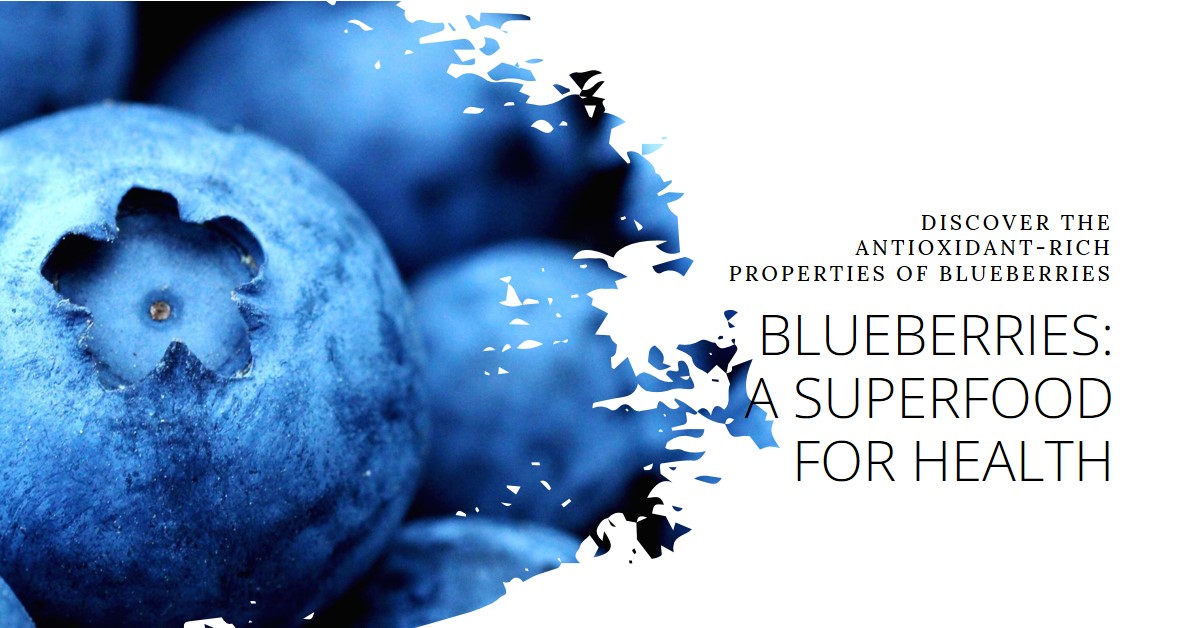
Blueberries, known for being antioxidant-rich berries, are among the most healthiest veg foods to eat
Blueberries are highly valued for their impressive nutritional profile, which includes a rich array of vitamins, fiber, and potent antioxidants. These small, vibrant berries are not only delicious but also offer a host of health benefits that make them a valuable addition to a balanced diet.
Nutritional Profile of Blueberries
Blueberries are abundant in essential nutrients that contribute to overall health and well-being. They are particularly rich in vitamins C and K. Vitamin C is a powerful antioxidant that supports the immune system, promotes skin health, and aids in collagen production, while vitamin K plays a crucial role in blood clotting and bone health. Blueberries are also an excellent source of dietary fiber, which aids in digestion and helps maintain a healthy weight by promoting feelings of fullness. Moreover, blueberries are packed with various antioxidants, including anthocyanins, which give them their deep blue color and provide numerous health benefits.
Health Benefits of Blueberries
Incorporating blueberries into your diet offers multiple health benefits, particularly for brain and heart health. The high levels of antioxidants in blueberries, especially anthocyanins, have been shown to support cognitive function and protect the brain from oxidative stress, potentially reducing the risk of age-related cognitive decline and improving memory. For heart health, anthocyanins help reduce inflammation and oxidative damage, which are key factors in the development of heart disease. Regular consumption of blueberries has been linked to lower blood pressure, reduced LDL cholesterol levels, and overall improved cardiovascular health. Additionally, the high vitamin C content in blueberries supports the immune system, helping the body fend off infections and illnesses.
How to Include Blueberries in Your Diet
There are numerous delicious and versatile ways to incorporate blueberries into your meals:
- Add to Smoothies, Yogurt, and Oatmeal: Blueberries are a perfect addition to smoothies, providing a burst of flavor and nutrients. They can also be mixed into yogurt or sprinkled over oatmeal for a nutritious breakfast or snack.
- Use in Baking for Healthy Muffins and Pancakes: Incorporate blueberries into your baking recipes to make healthy muffins, pancakes, and other baked goods. They add natural sweetness and moisture, enhancing both flavor and nutritional value.
- Eat as a Fresh Snack: Blueberries make a convenient and healthy snack on their own. Enjoy a handful of fresh blueberries to satisfy your sweet cravings while benefiting from their numerous health properties.
By regularly including blueberries in your diet through these methods, you can take advantage of their powerful health benefits, from supporting brain and heart health to boosting your immune system. Whether enjoyed fresh, blended into smoothies, or baked into healthy treats, blueberries provide a delicious and nutrient-dense addition to any meal plan, promoting overall wellness and vitality.
11. Chia Seeds
Nutritional Profile
Chia seeds are high in omega-3 fatty acids, fiber, protein, and essential minerals such as calcium, magnesium, and phosphorus.
Health Benefits
- Heart Health: Omega-3 fatty acids support cardiovascular health.
- Digestive Health: High fiber aids in digestion and bowel regularity.
- Bone Health: Rich in calcium and magnesium.
How to Include in Your Diet
- Add to smoothies and yogurt.
- Use in baking and pudding recipes.
- Sprinkle on salads and cereals.
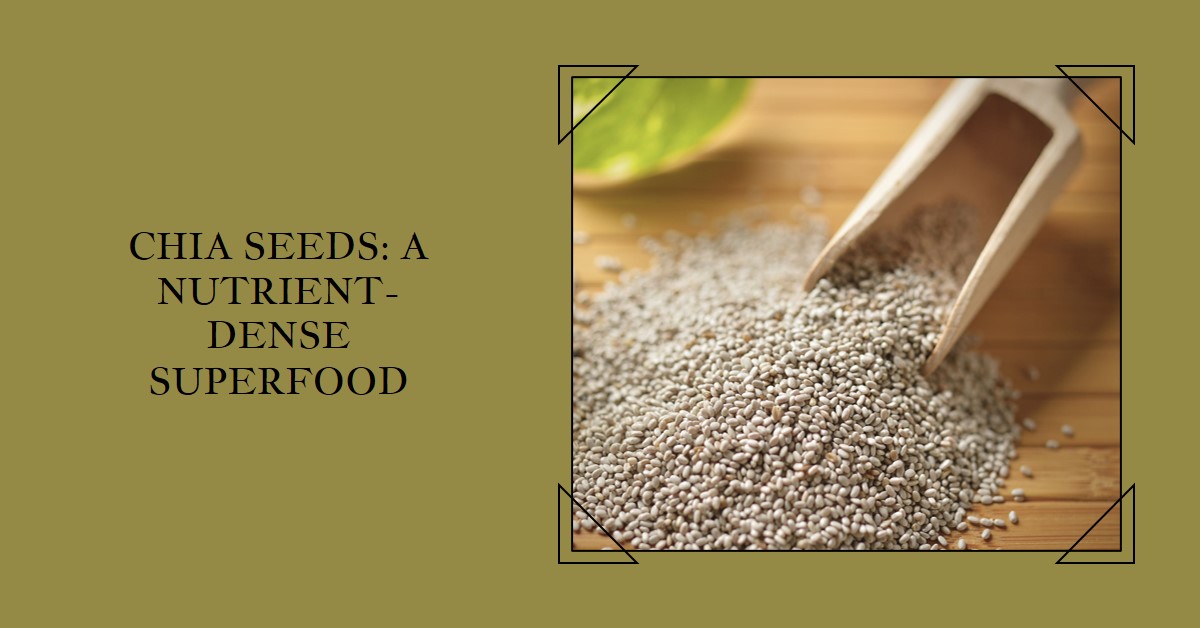
Chia Seeds are a Nutrient-Dense Powerhouse Among the Most Healthiest Veg Foods to Eat
Chia seeds are small but mighty, packed with an array of essential nutrients that contribute significantly to overall health. These tiny seeds are a nutritional powerhouse, boasting high levels of omega-3 fatty acids, fiber, protein, and vital minerals such as calcium, magnesium, and phosphorus.
Nutritional Profile of Chia Seeds
Chia seeds are exceptionally rich in omega-3 fatty acids, which are crucial for maintaining heart health and reducing inflammation. They are also an excellent source of dietary fiber, which aids in digestion, promotes bowel regularity, and helps manage weight by increasing feelings of fullness. In addition to fiber, chia seeds provide a substantial amount of plant-based protein, making them a valuable addition to vegetarian and vegan diets. The essential minerals found in chia seeds, including calcium, magnesium, and phosphorus, are vital for bone health, muscle function, and overall metabolic processes.
Health Benefits of Chia Seeds
Incorporating chia seeds into your diet can yield numerous health benefits. One of the primary advantages is their positive impact on heart health. The omega-3 fatty acids in chia seeds help reduce triglycerides, lower blood pressure, and decrease the risk of heart disease by promoting healthy cholesterol levels. For digestive health, the high fiber content in chia seeds supports regular bowel movements and helps prevent constipation. This fiber also acts as a prebiotic, feeding beneficial gut bacteria and promoting a healthy digestive system. Chia seeds are also beneficial for bone health, thanks to their rich calcium and magnesium content. These minerals are essential for maintaining strong bones and preventing conditions like osteoporosis. Additionally, the protein in chia seeds supports muscle repair and growth, making them a great addition to post-workout meals.
How to Include in Your Diet
There are several easy and versatile ways to incorporate chia seeds into your daily diet:
- Add to Smoothies and Yogurt: Chia seeds can be blended into smoothies or mixed into yogurt for a nutritious boost. They add a slight crunch and thicken the texture, enhancing the overall nutritional profile of these meals.
- Use in Baking and Pudding Recipes: Chia seeds can be used in baking recipes, such as muffins, bread, and cookies, to increase fiber and omega-3 content. They are also ideal for making chia pudding, a popular and healthy dessert or breakfast option. Simply mix chia seeds with your choice of milk, let it sit to thicken, and add sweeteners or fruits for flavor.
- Sprinkle on Salads and Cereals: Chia seeds can be sprinkled over salads, cereals, and oatmeal to add a nutritious crunch. They blend well with various ingredients and provide an easy way to enhance the nutritional value of your meals.
By regularly incorporating chia seeds into your diet, you can take advantage of their impressive health benefits, from supporting heart and digestive health to strengthening bones. Whether added to smoothies, baked goods, or sprinkled on top of your favorite dishes, chia seeds offer a simple and effective way to boost your overall nutrition and well-being.
12. Tomatoes
Nutritional Profile
Tomatoes are rich in vitamins A, C, and K, folate, and the antioxidant lycopene.
Health Benefits
- Cancer Prevention: Lycopene has been linked to reduced cancer risk.
- Heart Health: Rich in potassium and antioxidants.
- Skin Health: Vitamin C promotes healthy skin.
How to Include in Your Diet
- Add to salads, sandwiches, and wraps.
- Use in sauces, soups, and stews.
- Roast for a flavorful side dish.

Tomatoes are Among the Most Healthiest Veg Foods to Eat and are Vitamin-Rich
Tomatoes are a staple in many kitchens worldwide, cherished not only for their vibrant flavor but also for their impressive nutritional profile. Packed with essential vitamins, minerals, and antioxidants, tomatoes offer a wide range of health benefits that make them a valuable addition to any diet.
Nutritional Profile of Tomatoes
Tomatoes are rich in vitamins A, C, and K, as well as folate. Vitamin A is vital for maintaining healthy vision, immune function, and skin health. Vitamin C is a powerful antioxidant that supports the immune system, aids in collagen production, and promotes skin health. Vitamin K plays a crucial role in blood clotting and bone health. Folate, also known as vitamin B9, is essential for DNA synthesis and cell division, making it particularly important during periods of rapid growth, such as pregnancy. Additionally, tomatoes are a significant source of the antioxidant lycopene, linked to numerous health benefits, including cancer prevention and heart health.
Health Benefits of Tomatoes
Incorporating tomatoes into your diet can provide numerous health benefits. One of the most notable benefits is cancer prevention. Lycopene, the powerful antioxidant found in tomatoes, has been extensively studied for its potential to reduce the risk of certain types of cancer, particularly prostate, lung, and stomach cancers. Lycopene helps protect cells from damage caused by free radicals, which can lead to cancer development. Tomatoes also support heart health due to their high potassium content and antioxidant properties. Potassium helps regulate blood pressure and maintain proper heart function, while antioxidants reduce inflammation and oxidative stress, lowering the risk of cardiovascular diseases. Additionally, vitamin C in tomatoes promotes healthy skin by aiding collagen production, which helps maintain skin elasticity and firmness, and by protecting the skin from damage caused by environmental factors like UV rays and pollution.
How to Include Tomatoes in Your Diet
There are countless ways to enjoy tomatoes and incorporate them into your meals:
- Add to Salads, Sandwiches, and Wraps: Fresh tomatoes can be sliced and added to salads, sandwiches, and wraps for a burst of flavor and nutrition. They pair well with a variety of ingredients and add a refreshing element to your dishes.
- Use in Sauces, Soups, and Stews: Tomatoes are a key ingredient in many sauces, soups, and stews. They can be used to create rich and flavorful tomato sauces for pasta, enhance the taste of soups and stews, and add depth to various recipes.
- Roast for a Flavorful Side Dish: Roasting tomatoes brings out their natural sweetness and intensifies their flavor. Simply toss cherry or plum tomatoes with olive oil, salt, and pepper, and roast them in the oven until they are caramelized. Roasted tomatoes make a delicious side dish or can be added to salads, pasta, or grain bowls.
By regularly incorporating tomatoes into your diet through these versatile methods, you can take full advantage of their health benefits. Whether enjoyed fresh in salads, cooked into savory sauces, or roasted to enhance their natural sweetness, tomatoes offer a nutrient-dense addition to your meals that supports overall health and well-being.
13. Walnuts
Nutritional Profile
Walnuts are a great source of healthy fats, protein, fiber, vitamins, and minerals, including omega-3 fatty acids and antioxidants.
Health Benefits
- Brain Health: Omega-3s support cognitive function.
- Heart Health: Healthy fats and antioxidants promote cardiovascular health.
- Anti-Inflammatory: Anti-inflammatory properties help reduce chronic inflammation.
How to Include in Your Diet
- Snack on raw or roasted walnuts.
- Add to salads, oatmeal, and baked goods.
- Use walnut oil in dressings and sauces.
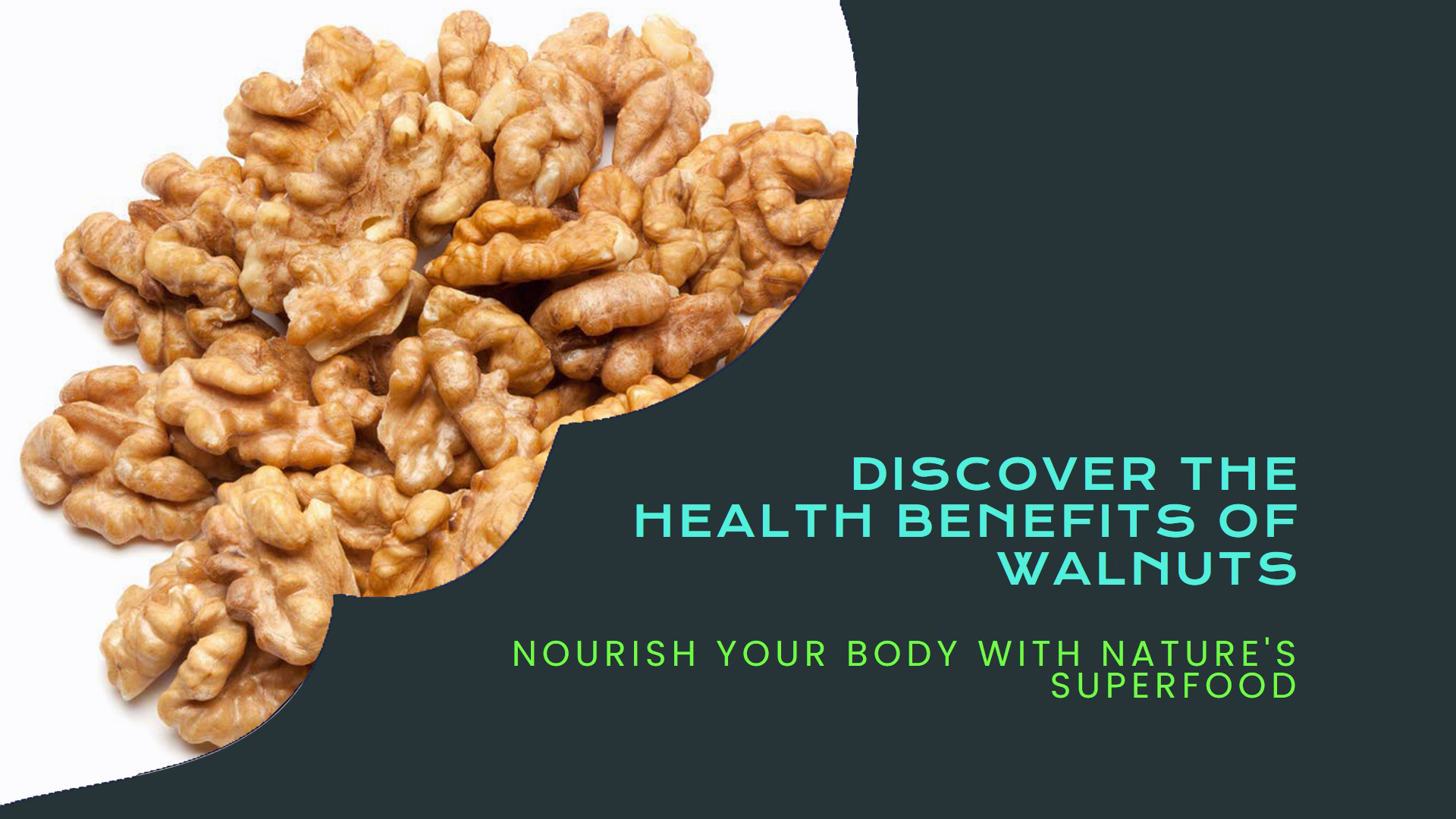
Walnuts are nutrient-dense nuts considered Among the Most Healthiest Veg Foods to Eat
Walnuts are a highly nutritious food, celebrated for their rich content of healthy fats, protein, fiber, vitamins, and minerals. These nuts are renowned for their high omega-3 fatty acids and antioxidants, making them a valuable addition to a healthy diet.
Nutritional Profile of Walnuts
Walnuts are packed with healthy fats, primarily polyunsaturated fats, including a significant amount of alpha-linolenic acid (ALA), a type of omega-3 fatty acid. They are also a good source of protein and dietary fiber, which help maintain muscle mass and support digestive health, respectively. Walnuts provide an array of essential vitamins and minerals, such as vitamin E, magnesium, and phosphorus. Vitamin E is a powerful antioxidant that helps protect cells from damage, while magnesium plays a crucial role in muscle and nerve function, blood sugar control, and bone health. Additionally, phosphorus is essential for the formation of bones and teeth. The high antioxidant content in walnuts, including polyphenols and melatonin, contributes to their impressive health benefits.
Health Benefits of Walnuts
Incorporating walnuts into your diet can offer numerous health benefits, particularly for brain and heart health. The omega-3 fatty acids in walnuts are known to support cognitive function and may help reduce the risk of neurodegenerative diseases. These essential fats are important for maintaining brain structure and function, and they have been linked to improved memory and cognitive performance. For heart health, the combination of healthy fats, antioxidants, and fiber in walnuts helps promote cardiovascular health. Omega-3 fatty acids can lower blood pressure and reduce the risk of heart disease by decreasing inflammation and improving lipid profiles. The antioxidants in walnuts, including vitamin E and polyphenols, help protect against oxidative stress, which can damage blood vessels and lead to heart disease. Moreover, walnuts possess anti-inflammatory properties that can help reduce chronic inflammation, a key factor in the development of many chronic diseases, including heart disease, diabetes, and cancer.
How to Include Walnuts in Your Diet
There are numerous delicious and versatile ways to incorporate walnuts into your meals:
- Snack on Raw or Roasted Walnuts: Walnuts make an excellent snack on their own, whether raw or roasted. They provide a satisfying crunch and a rich, nutty flavor, making them a perfect on-the-go snack.
- Add to Salads, Oatmeal, and Baked Goods: Sprinkle walnuts over salads to add texture and a boost of nutrition. They also pair well with oatmeal, adding a nutty flavor and extra protein to your breakfast. Additionally, walnuts can be incorporated into baked goods like muffins, bread, and cookies for added flavor and health benefits.
- Use Walnut Oil in Dressings and Sauces: Walnut oil is a flavorful and nutritious option for salad dressings and sauces. Its rich, nutty taste enhances the flavor of various dishes, and it provides the same health benefits as whole walnuts.
By regularly incorporating walnuts into your diet through these versatile methods, you can enjoy their numerous health benefits and enhance the nutritional value of your meals. Whether enjoyed as a snack, added to dishes, or used in cooking, walnuts offer a nutrient-dense addition that supports overall health and well-being.
14. Bell Peppers
Nutritional Profile
Bell peppers are rich in vitamins A, C, and B6, fiber, and antioxidants.
Health Benefits
- Immune Support: High in vitamin C, they boost the immune system.
- Eye Health: Rich in vitamin A and carotenoids.
- Anti-Inflammatory: Antioxidants help reduce inflammation.
How to Include in Your Diet
- Add to salads, stir-fries, and fajitas.
- Use in soups, stews, and casseroles.
- Roast for a sweet, smoky flavor.
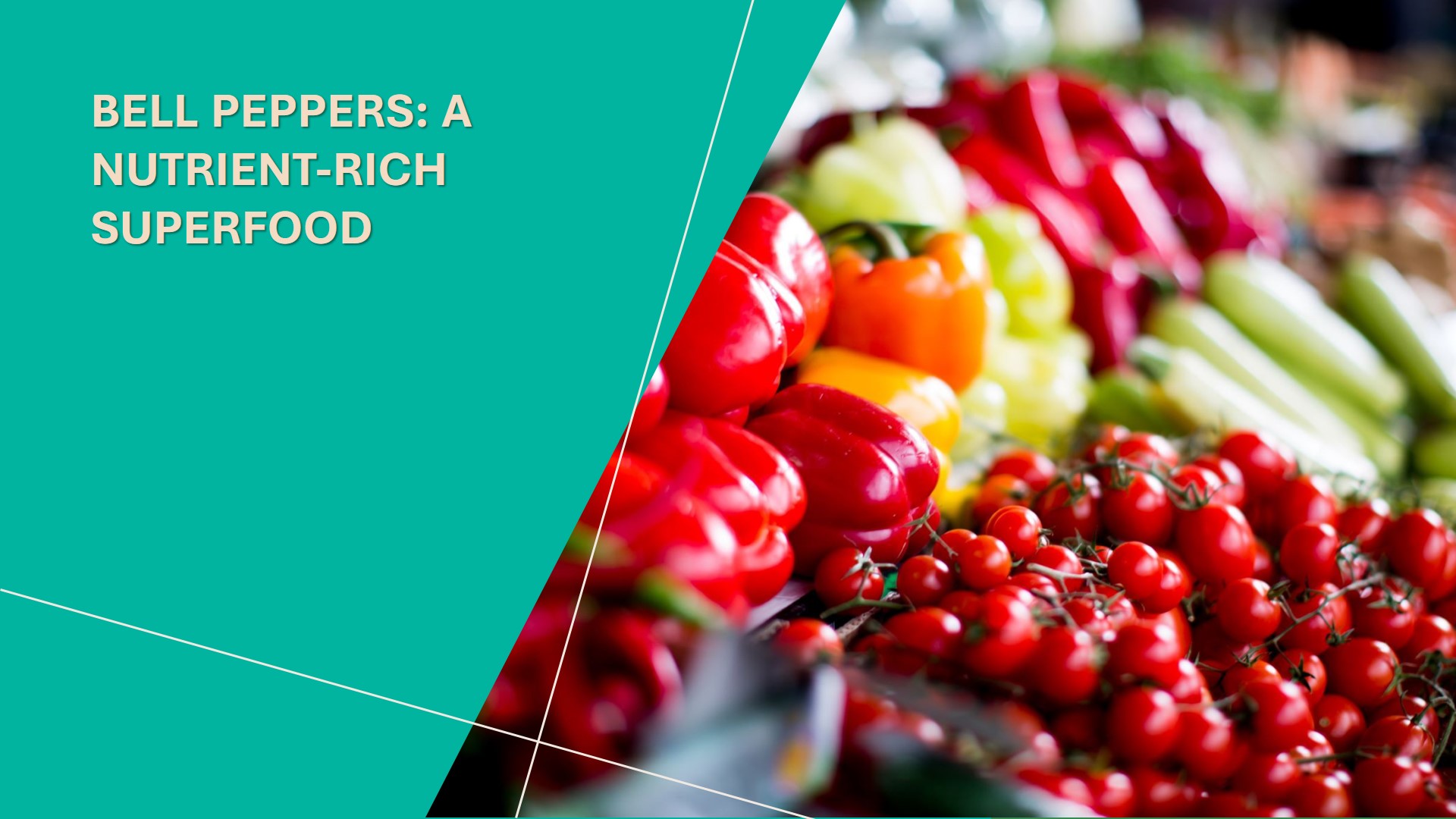
Bell Peppers are Vibrant and Nutrient-Rich Superstars Among the Most Healthiest Veg Foods to Eat
Bell peppers are not only colorful and flavorful but also packed with essential nutrients that contribute to overall health. These versatile vegetables are an excellent source of vitamins, fiber, and antioxidants, making them a valuable addition to any diet.
Nutritional Profile
Bell peppers are rich in vitamins A, C, and B6, as well as dietary fiber and a variety of antioxidants. Vitamin A, found in the form of beta-carotene, is crucial for maintaining healthy vision, skin, and immune function. Vitamin C is a powerful antioxidant that plays a key role in boosting the immune system, collagen production, and protecting cells from oxidative damage. Vitamin B6 is important for brain development and function, as well as the production of serotonin and norepinephrine, which regulate mood.
Additionally, bell peppers are high in dietary fiber, which supports digestive health by promoting regular bowel movements and preventing constipation. The antioxidants in bell peppers, including flavonoids and carotenoids, help protect the body from free radicals and reduce inflammation.
Health Benefits of Bell Peppers
Incorporating bell peppers into your diet offers numerous health benefits. One of the primary benefits is immune support. The high vitamin C content in bell peppers boosts the immune system by stimulating the production of white blood cells, enhancing the body’s ability to fight infections. This makes bell peppers an excellent food for supporting overall health and wellness.
Additionally, the vitamin A and carotenoids in bell peppers support eye health by protecting against age-related macular degeneration and maintaining good vision. These nutrients also contribute to healthy skin and mucous membranes, which are the body’s first line of defense against pathogens.
Furthermore, the antioxidants in bell peppers help reduce inflammation, which is linked to many chronic diseases such as heart disease, arthritis, and diabetes. By neutralizing free radicals, these antioxidants protect cells from damage and promote overall health.
How to Include Bell Peppers in Your Diet
There are numerous delicious and versatile ways to incorporate bell peppers into your meals:
- Add to Salads, Stir-Fries, and Fajitas: Bell peppers add a vibrant color, crunch, and a sweet, slightly tangy flavor to salads, stir-fries, and fajitas. They pair well with a variety of vegetables, proteins, and dressings, making them a versatile ingredient for many dishes.
- Use in Soups, Stews, and Casseroles: Bell peppers enhance the flavor and nutritional content of soups, stews, and casseroles. They can be chopped and added to these dishes for a nutrient boost and a touch of sweetness.
- Roast for a Sweet, Smoky Flavor: Roasting bell peppers brings out their natural sweetness and adds a delicious smoky flavor. Roasted bell peppers can be used in salads, sandwiches, and pasta dishes, or served as a flavorful side dish.
By regularly incorporating bell peppers into your diet, you can enjoy their numerous health benefits and enhance the nutritional value of your meals. Whether added to salads, cooked in stir-fries, or roasted for a sweet, smoky flavor, bell peppers offer a nutrient-dense and versatile addition to any meal. Their rich content of vitamins, fiber, and antioxidants supports immune function, eye health, and reduces inflammation, making bell peppers a delicious and health-promoting choice.
15. Brussels sprouts
Nutritional Profile
Brussels sprouts are high in vitamins C and K, fiber, and antioxidants, including glucosinolates.
Health Benefits
- Cancer Prevention: Glucosinolates have been linked to cancer prevention.
- Heart Health: High in fiber and antioxidants.
- Bone Health: Rich in vitamin K.
How to Include in Your Diet
- Roast or steam as a side dish.
- Add to salads and grain bowls.
- Use in stir-fries and casseroles.
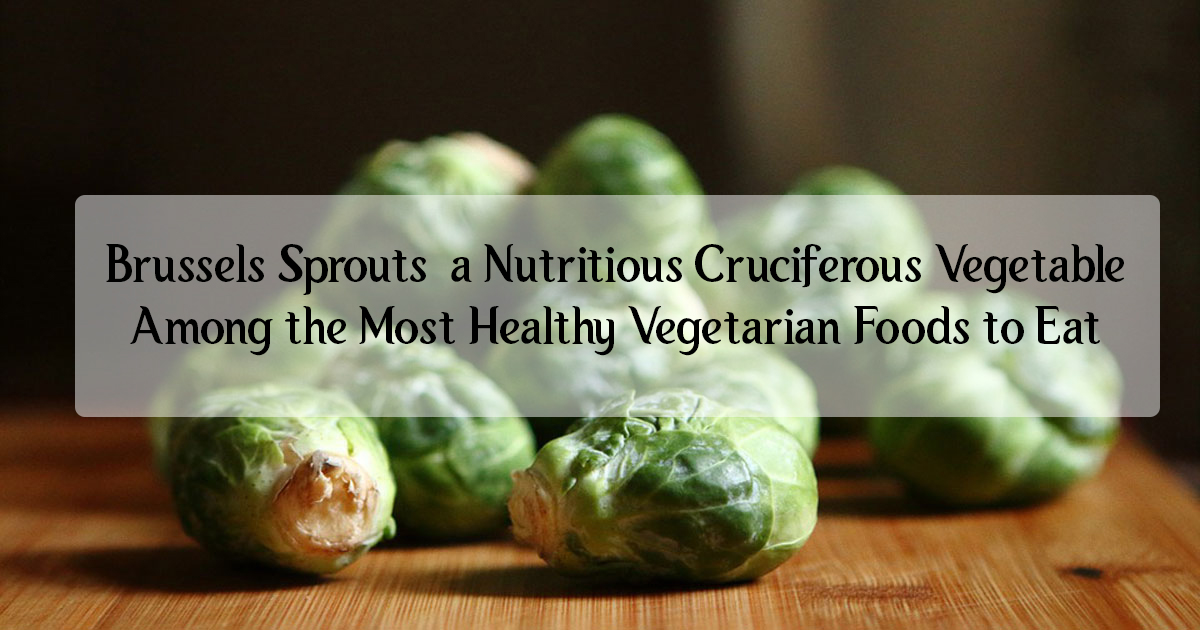
Brussels Sprouts, a Nutritious Cruciferous Vegetable Among the Most Healthy Vegetarian Foods to Eat
Brussels sprouts, a member of the cruciferous vegetable family, are packed with essential nutrients that contribute significantly to overall health. These small, cabbage-like vegetables are not only delicious but also incredibly nutritious, making them a valuable addition to a balanced diet.
Nutritional Profile of Brussels Sprouts
Brussels sprouts are high in vitamins C and K, fiber, and antioxidants, including glucosinolates. Vitamin C is a powerful antioxidant that supports immune function, promotes healthy skin, and aids in the absorption of iron. Vitamin K is essential for blood clotting and bone health, helping to maintain bone density and reduce the risk of fractures.
The high fiber content in Brussels sprouts supports digestive health by promoting regular bowel movements and preventing constipation. Additionally, the antioxidants found in Brussels sprouts, particularly glucosinolates, have been linked to various health benefits, including cancer prevention. These compounds help protect cells from DNA damage and inhibit the growth of cancer cells.
Health Benefits of Brussels Sprouts
Incorporating Brussels sprouts into your diet offers numerous health benefits. One of the most notable benefits is their potential role in cancer prevention. The glucosinolates in Brussels sprouts have been shown to help detoxify carcinogens and protect cells from DNA damage, which may reduce the risk of certain types of cancer, including colorectal, lung, and prostate cancer. Brussels sprouts are also beneficial for heart health due to their high fiber and antioxidant content.
The fiber helps lower cholesterol levels by binding to bile acids in the digestive tract, while antioxidants reduce inflammation and oxidative stress, both of which are risk factors for heart disease. Furthermore, Brussels sprouts are rich in vitamin K, which is crucial for bone health. Vitamin K plays a vital role in bone metabolism and helps maintain bone density, reducing the risk of osteoporosis and fractures.
How to Include Brussels Sprouts in Your Diet
There are several delicious and creative ways to incorporate Brussels sprouts into your meals:
- Roast or Steam as a Side Dish: Roasting or steaming Brussels sprouts brings out their natural sweetness and enhances their flavor. Toss them with olive oil, salt, and pepper, then roast until caramelized and tender, or steam them for a simple, healthy side dish.
- Add to Salads and Grain Bowls: Shaved or thinly sliced Brussels sprouts can be added raw to salads or grain bowls for a crunchy, nutritious addition. They pair well with a variety of ingredients, such as apples, nuts, and cheeses, and can be dressed with a tangy vinaigrette.
- Use in Stir-Fries and Casseroles: Brussels sprouts can be sliced and added to stir-fries and casseroles, where they absorb the flavors of the dish and add a nutrient boost. They complement a variety of proteins and vegetables, making them a versatile ingredient for many recipes.
By regularly incorporating Brussels sprouts into your diet, you can enjoy their numerous health benefits and enhance the nutritional value of your meals. Whether roasted, steamed, or added to salads and casseroles, Brussels sprouts provide a delicious and nutrient-dense option that supports overall health and well-being. Their rich content of vitamins, fiber, and antioxidants promotes cancer prevention, heart health, and bone health, making Brussels sprouts a smart and tasty choice for any diet.
16. Flaxseeds
Nutritional Profile
Flaxseeds are rich in omega-3 fatty acids, fiber, protein, and lignans.
Health Benefits
- Heart Health: Omega-3s support cardiovascular health.
- Digestive Health: High fiber promotes digestive health.
- Hormonal Balance: Lignans have estrogen-like properties that can balance hormones.
How to Include in Your Diet
- Add to smoothies and yogurt.
- Use in baking and oatmeal.
- Sprinkle on salads and cereals.
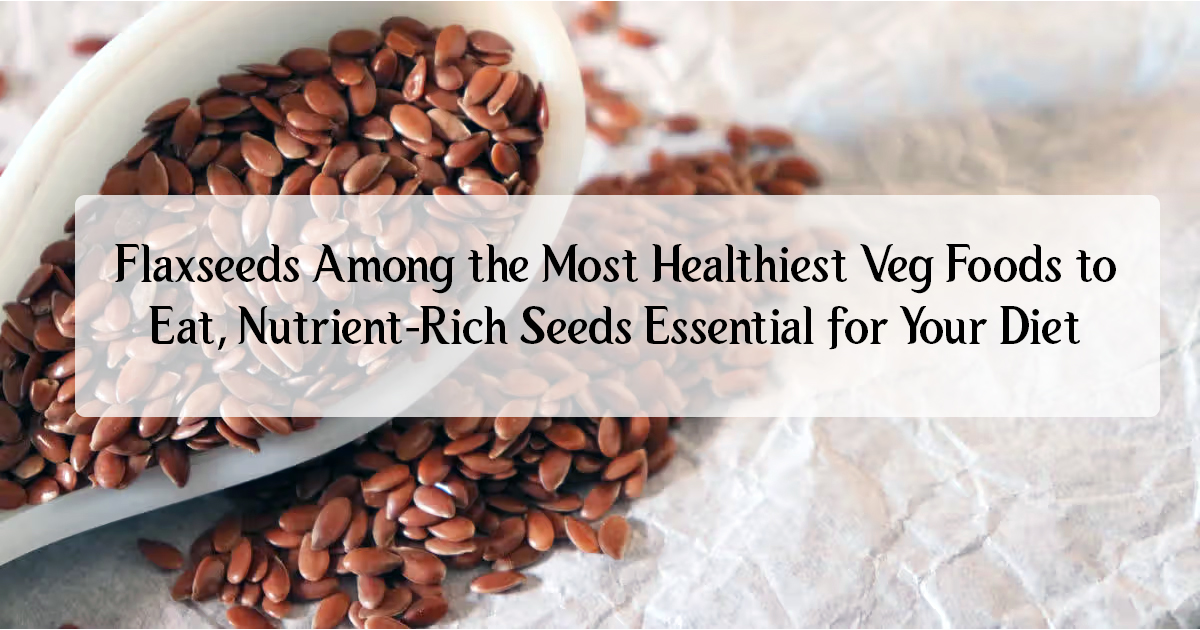
Flaxseeds Among the Most Healthiest Veg Foods to Eat, Nutrient-Rich Seeds Essential for Your Diet
Flaxseeds are small but mighty seeds that offer a wealth of nutritional benefits, making them an excellent addition to a balanced diet. These seeds are particularly known for their high content of omega-3 fatty acids, fiber, protein, and lignans, which collectively contribute to various aspects of health and well-being.
Nutritional Profile of Flaxseeds
Flaxseeds are an outstanding source of omega-3 fatty acids, specifically alpha-linolenic acid (ALA), which is essential for maintaining cardiovascular health. They are also packed with dietary fiber, both soluble and insoluble, which aids in digestive health and helps regulate blood sugar levels. Additionally, flaxseeds provide a substantial amount of protein, making them a great plant-based protein source.
Another significant component of flaxseeds is lignans, which have antioxidant properties and mimic the effects of estrogen in the body, thus potentially aiding in hormonal balance. Furthermore, flaxseeds contain essential minerals such as magnesium, phosphorus, and manganese, which are vital for bone health, energy production, and overall metabolic function.
Health Benefits of Flaxseeds
Incorporating flaxseeds into your diet can yield numerous health benefits. The omega-3 fatty acids in flaxseeds are crucial for heart health, as they help reduce inflammation, lower blood pressure, and decrease the risk of heart disease. These fatty acids also support brain health and can improve cognitive function.
The high fiber content in flaxseeds promotes digestive health by preventing constipation and supporting a healthy gut microbiome. Fiber also helps regulate blood sugar levels, making flaxseeds beneficial for individuals with diabetes or those looking to manage their blood sugar levels.
The lignans found in flaxseeds have estrogen-like properties, which can help balance hormones, particularly in women. These compounds may reduce the risk of hormone-related cancers, such as breast cancer, and alleviate symptoms of menopause. Additionally, the antioxidant properties of lignans help protect against oxidative stress and chronic inflammation, further supporting overall health.
How to Include Flaxseeds in Your Diet
There are various simple and delicious ways to incorporate flaxseeds into your daily meals:
- Add to Smoothies and Yogurt: Ground flaxseeds can be easily blended into smoothies or stirred into yogurt, adding a nutty flavor and a nutritional boost. This method ensures you get the benefits of omega-3s, fiber, and lignans in a convenient and tasty way.
- Use in Baking and Oatmeal: Incorporate ground flaxseeds into baked goods like muffins, breads, and cookies, or mix them into oatmeal. Flaxseeds can enhance the nutritional profile of these foods without significantly altering their taste or texture.
- Sprinkle on Salads and Cereals: Whole or ground flaxseeds can be sprinkled on top of salads and cereals, adding a crunchy texture and extra nutrients. This is an easy way to boost the health benefits of your meals with minimal effort.
By regularly including flaxseeds in your diet, you can enjoy their wide range of health benefits, from improved cardiovascular and digestive health to balanced hormones and enhanced overall well-being. Their versatility allows them to be seamlessly integrated into various dishes, making them a convenient and nutritious addition to any meal plan.
17. Garlic
Nutritional Profile
Garlic is rich in vitamins C and B6, manganese, and sulfur compounds such as allicin.
Health Benefits
- Immune Support: Boosts the immune system.
- Heart Health: Supports heart health by lowering blood pressure and cholesterol.
- Anti-Inflammatory: Anti-inflammatory and antioxidant properties.
How to Include in Your Diet
- Use as a flavoring in cooking.
- Add to soups, stews, and sauces.
- Roast for a milder, sweeter taste.
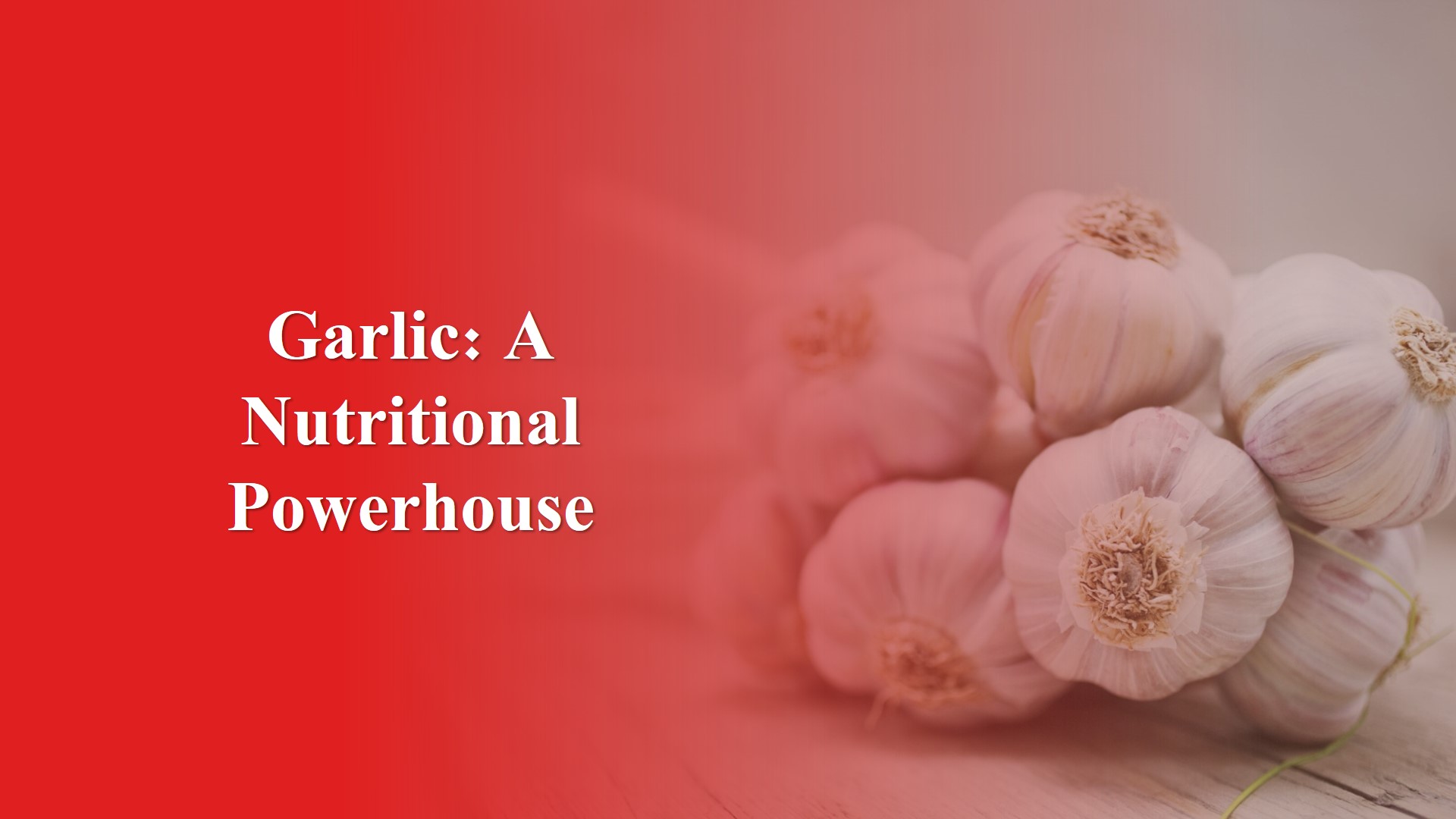
Garlic is a Nutritional Powerhouse with Multifaceted Health Benefits, Among the Most Healthy Veg Foods to Eat
Garlic, a staple in kitchens around the world, is not only prized for its potent flavor but also for its impressive nutritional profile and health benefits. This aromatic bulb is rich in essential vitamins and minerals, including vitamins C and B6, manganese, and sulfur compounds such as allicin, which are responsible for many of its therapeutic properties.
Nutritional Profile of Garlic
Garlic is a nutrient-dense food, offering a variety of vitamins and minerals that contribute to overall health. It is particularly high in vitamins C and B6, which play crucial roles in immune function and energy metabolism, respectively. Manganese is another key nutrient in garlic, essential for bone health, wound healing, and metabolic processes. The sulfur compounds, especially allicin, are perhaps the most significant components of garlic, providing powerful antioxidant and anti-inflammatory effects that support numerous bodily functions.
Health Benefits of Garlic
Incorporating garlic into your diet can lead to a multitude of health benefits. One of the most well-known advantages of garlic is its ability to boost the immune system. The high vitamin C content, along with the antioxidant properties of allicin, helps enhance the body’s defense mechanisms against common illnesses like colds and flu.
Garlic also supports heart health in several ways. It has been shown to lower blood pressure and cholesterol levels, both of which are major risk factors for cardiovascular disease. The sulfur compounds in garlic help relax blood vessels and improve blood flow, contributing to these heart health benefits.
Additionally, garlic possesses strong anti-inflammatory properties, which can help reduce inflammation throughout the body. Chronic inflammation is linked to various diseases, including heart disease, diabetes, and certain cancers, making garlic a valuable addition to an anti-inflammatory diet. Furthermore, the antioxidants in garlic help combat oxidative stress, protecting cells from damage and reducing the risk of chronic diseases.
How to Include Garlic in Your Diet
There are numerous ways to incorporate garlic into your meals, enhancing both flavor and nutritional value:
- Use as a Flavoring in Cooking: Garlic can be used as a base flavor in countless dishes, from stir-fries and sautés to marinades and dressings. Crushing or chopping garlic releases allicin, which maximizes its health benefits.
- Add to Soups, Stews, and Sauces: Including garlic in soups, stews, and sauces not only adds depth of flavor but also infuses the dish with its beneficial compounds. Simmering garlic in these dishes allows its flavors to meld beautifully with other ingredients.
- Roast for a Milder, Sweeter Taste: Roasting garlic transforms its sharp, pungent flavor into a milder, sweeter taste. This can be done by roasting whole bulbs or individual cloves, which can then be spread on bread, mixed into mashed potatoes, or added to various recipes for a subtle garlic flavor.
By regularly incorporating garlic into your diet, you can take advantage of its numerous health benefits, from enhanced immune function and improved heart health to reduced inflammation and oxidative stress. Its versatility in cooking makes it easy to include garlic in a wide range of dishes, allowing you to enjoy both its culinary and medicinal properties. Whether used raw, cooked, or roasted, garlic is a powerful ingredient that supports overall well-being and adds a delightful flavor to your meals.
18. Carrots
Nutritional Profile
Carrots are high in beta-carotene, vitamins A, K, and C, and fiber.
Health Benefits
- Eye Health: High in beta-carotene for good vision.
- Immune Support: Rich in vitamins A and C.
- Digestive Health: Fiber aids digestion.
How to Include in Your Diet
- Eat raw as a snack or in salads.
- Add to soups, stews, and stir-fries.
- Roast or steam as a side dish.
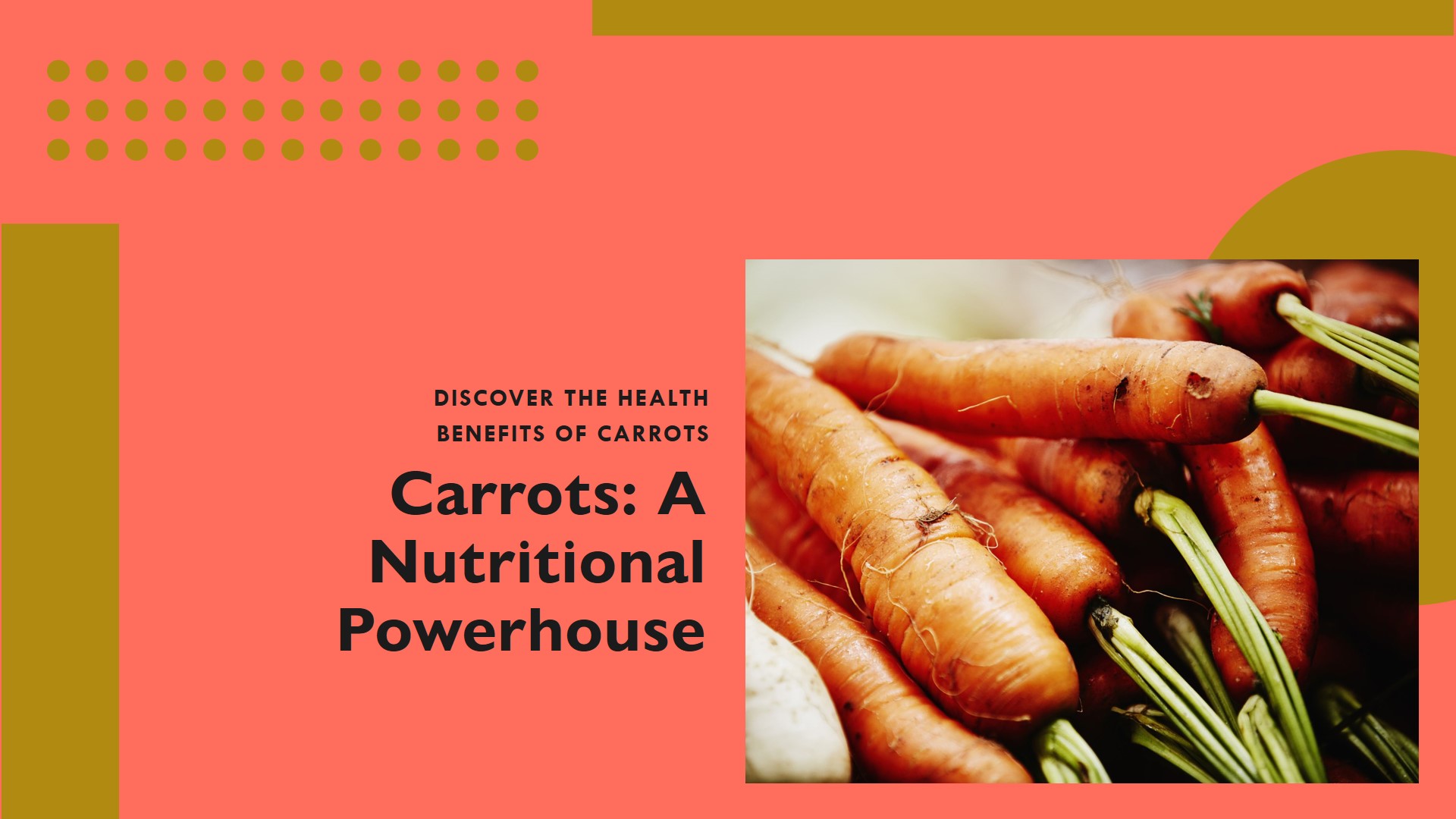
Carrots are Among the Most Healthiest Veg Foods to Eat and a Nutritional Powerhouse for Eye Health and More
Carrots are renowned for their vibrant color and crunchy texture, but their true value lies in their impressive nutritional profile and myriad health benefits. These root vegetables are a staple in many diets around the world, and for good reason. They are rich in essential vitamins and minerals, making them a versatile and nutritious addition to any meal.
Nutritional Profile of Carrots
Carrots are a nutritional powerhouse, rich in beta-carotene, vitamins A, K, and C, and fiber. Beta-carotene, responsible for carrots’ vibrant orange color, acts as a potent antioxidant, converting into vitamin A. This vitamin is essential for maintaining clear vision, bolstering the immune system, and promoting healthy skin.
Vitamins K and C found in carrots play crucial roles too. Vitamin K supports blood clotting and bone health, while vitamin C acts as an antioxidant, enhancing immune function, collagen production, and iron absorption. Carrots also provide dietary fiber, which aids digestion by regulating bowel movements and nurturing a healthy gut microbiome.
Health Benefits of Carrots
Incorporating carrots into your diet offers numerous health benefits, making them a valuable addition to a balanced diet. One of the most notable benefits of carrots is their contribution to eye health. The high beta-carotene content in carrots is essential for good vision, particularly in low-light conditions. Beta-carotene is converted into vitamin A in the body, which is necessary for the formation of rhodopsin, a pigment in the retina that helps with night vision.
Carrots also play a significant role in supporting the immune system. The vitamins A and C found in carrots enhance immune function, helping the body fend off infections and illnesses. Vitamin A is vital for maintaining the integrity of mucous membranes in the respiratory and digestive tracts, which act as barriers against pathogens. Vitamin C, on the other hand, stimulates the production and function of white blood cells, enhancing the body’s ability to combat infections.
Additionally, the high fiber content in carrots supports digestive health. Fiber adds bulk to stool, facilitating its passage through the digestive tract and preventing constipation. Regular consumption of fiber-rich foods like carrots is associated with a lower risk of digestive disorders, including colorectal cancer.
How to Include Carrots in Your Diet
There are numerous delicious and creative ways to incorporate carrots into your diet, making it easy to enjoy their health benefits:
- Eat Raw as a Snack or in Salads: Raw carrots make a convenient and nutritious snack. They can be sliced into sticks and enjoyed with a dip like hummus or added to salads for a crunchy texture and a burst of color.
- Add to Soups, Stews, and Stir-Fries: Carrots can be chopped or sliced and added to a variety of dishes such as soups, stews, and stir-fries. Cooking carrots enhances their natural sweetness and allows them to absorb the flavors of other ingredients.
- Roast or Steam as a Side Dish: Roasting or steaming carrots brings out their natural sweetness and makes for a delicious side dish. Roasted carrots can be seasoned with herbs and spices for added flavor, while steamed carrots retain their bright color and tender texture.
By regularly incorporating carrots into your diet through these versatile methods, you can enjoy their numerous health benefits, including improved eye health, enhanced immune support, and better digestive health. Whether eaten raw, cooked, or roasted, carrots are a nutrient-dense vegetable that adds both flavor and nutrition to your meals.
19. Mushrooms
Nutritional Profile
Mushrooms are a good source of vitamins D and B, selenium, and antioxidants.
Health Benefits
- Immune Support: Vitamin D and antioxidants boost the immune system.
- Cancer Prevention: Some varieties have cancer-fighting properties.
- Bone Health: Rich in vitamin D.
How to Include in Your Diet
- Add to soups, stews, and stir-fries.
- Use in salads, sandwiches, and pasta dishes.
- Grill or roast for a savory side.
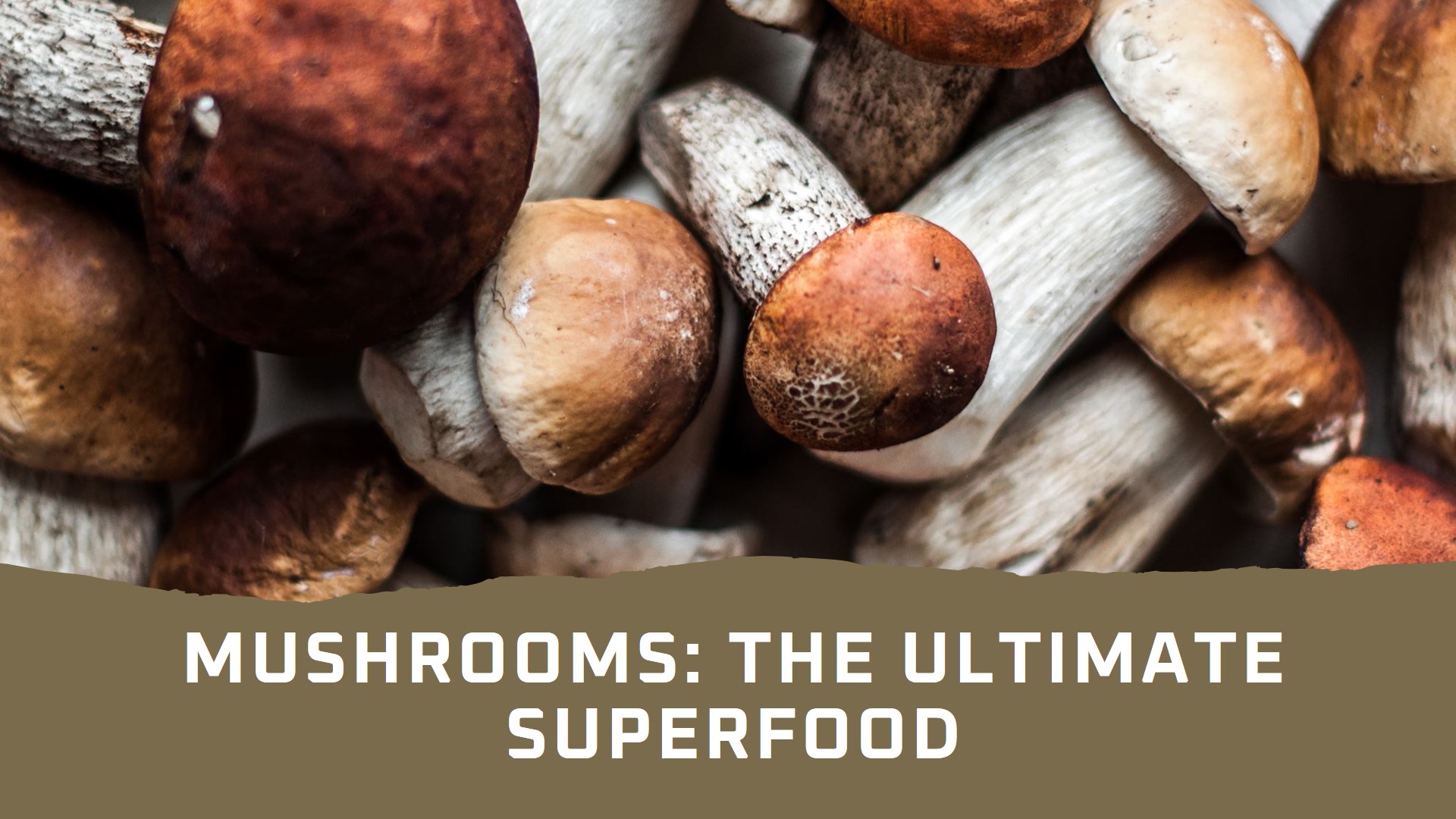
Mushrooms, Among the Most Healthiest Veg Foods to Eat, are a Nutrient-Rich Superfood with Immune and Bone Health Benefits
Mushrooms are not only a flavorful addition to many dishes but also a powerhouse of essential nutrients and health benefits. They have been valued for their medicinal properties and nutritional content for centuries, offering a variety of vitamins, minerals, and antioxidants that support overall health and well-being.
Nutritional Profile of Mushrooms
Mushrooms are an excellent source of vitamins D and B, selenium, and various antioxidants. Vitamin D plays a crucial role in maintaining healthy bones and supporting a robust immune system. Mushrooms are unique in that they can synthesize vitamin D when exposed to sunlight, making them one of the few plant-based sources of this vital nutrient.
B vitamins are also abundant in mushrooms, including riboflavin (B2), niacin (B3), and pantothenic acid (B5). These vitamins are essential for energy production, brain function, and the formation of red blood cells. Selenium, another key nutrient found in mushrooms, acts as a powerful antioxidant that protects cells from damage, supports thyroid function, and boosts immune health.
Additionally, mushrooms contain various antioxidants such as ergothioneine and glutathione. These antioxidants help reduce oxidative stress and inflammation in the body, contributing to overall health and well-being. Incorporating mushrooms into your diet can provide a range of health benefits, from supporting bone health and immune function to promoting energy production and reducing inflammation.
Health Benefits of Mushrooms
Incorporating mushrooms into your diet can offer numerous health benefits, making them a valuable addition to a balanced diet. One of the primary benefits of mushrooms is their ability to support the immune system. The combination of vitamin D and antioxidants found in mushrooms enhances immune function, helping the body fend off infections and diseases.
Vitamin D is known for its role in modulating the immune response, while antioxidants like selenium help neutralize free radicals, reducing oxidative stress and inflammation. Certain varieties of mushrooms, such as shiitake, maitake, and reishi, have been studied for their potential cancer-fighting properties. These mushrooms contain compounds that may help inhibit the growth of cancer cells and boost the immune system’s ability to combat cancer.
For instance, beta-glucans, a type of polysaccharide found in mushrooms, have been shown to stimulate the immune system and possess anti-tumor properties. Mushrooms also play a significant role in supporting bone health. Their high vitamin D content is essential for calcium absorption and bone mineralization, reducing the risk of osteoporosis and fractures. Adequate vitamin D levels are crucial for maintaining bone density and strength, especially in older adults.
How to Include Mushrooms in Your Diet
There are numerous delicious and versatile ways to incorporate mushrooms into your diet, making it easy to enjoy their health benefits:
- Add to Soups, Stews, and Stir-Fries: Mushrooms add a rich, umami flavor to soups, stews, and stir-fries. They can be sliced, chopped, or left whole, depending on the recipe. Their texture and flavor enhance the overall dish, making it more satisfying.
- Use in Salads, Sandwiches, and Pasta Dishes: Fresh or cooked mushrooms can be added to salads for an extra layer of texture and flavor. They also make a great addition to sandwiches, wraps, and pasta dishes, providing a nutrient boost and a savory taste.
- Grill or Roast for a Savory Side: Grilling or roasting mushrooms brings out their natural flavors and creates a delicious side dish. Simply toss mushrooms with olive oil, garlic, and your favorite herbs, then grill or roast until tender and slightly caramelized.
By regularly incorporating mushrooms into your diet through these versatile methods, you can enjoy their numerous health benefits, including enhanced immune support, potential cancer prevention, and improved bone health. Whether added to soups, salads, or roasted as a savory side, mushrooms are a nutrient-dense food that adds both flavor and nutrition to your meals.
20. Beets
Nutritional Profile
Beets are rich in vitamins A, C, and B6, iron, magnesium, and folate.
Health Benefits
- Heart Health: High in nitrates, which can lower blood pressure.
- Anti-Inflammatory: Anti-inflammatory properties.
- Detoxification: Supports liver detoxification.
How to Include in Your Diet
- Add to salads and smoothies.
- Roast or steam as a side dish.
- Use in soups and stews.
Beets A Nutrient-Rich Root Vegetable Among the Most Healthiest Veg Foods to Eat Packed with Heart and Anti-Inflammatory Benefits
Beets, known for their vibrant color and earthy flavor, are packed with essential nutrients that contribute to overall health and well-being. As one of the most healthiest veg foods to eat, this root vegetable offers a variety of vitamins, minerals, and beneficial compounds, making it a nutritious addition to any diet. Enjoyed both for its taste and nutritional value, beets provide essential nutrients that support various aspects of health.
Nutritional Profile of Beets
Beets are among the most healthiest veg foods to eat, rich in vitamins A, C, and B6, which play crucial roles in supporting immune function, vision health, and brain function, respectively. Vitamin C also acts as a powerful antioxidant, protecting cells from damage caused by free radicals and promoting collagen production for healthy skin.
As one of the most healthiest veg foods to eat, beets are a good source of minerals like iron, essential for oxygen transport in the blood, and magnesium, which supports muscle and nerve function. They also provide folate, a B vitamin necessary for DNA synthesis and cell division.
Health Benefits of Beets
Incorporating beets into your diet can offer several health benefits, making them one of the most healthiest veg foods to eat. One notable benefit is their potential to support heart health. Beets are high in nitrates, compounds that convert into nitric oxide in the body. Nitric oxide helps dilate blood vessels, improving blood flow and lowering blood pressure. Regular consumption of beets or beet juice has been associated with lower blood pressure levels, which can reduce the risk of heart disease and stroke.
Beets also exhibit anti-inflammatory properties due to their high antioxidant content. Antioxidants like vitamin C and betalains, the pigments that give beets their deep red color, help combat inflammation and oxidative stress in the body. This anti-inflammatory effect may contribute to reducing the risk of chronic diseases such as heart disease, diabetes, and certain cancers.
Additionally, beets support liver health and detoxification processes. Compounds in beets, such as betaine and fiber, help stimulate liver function and aid in the removal of toxins from the body. This detoxifying effect supports overall liver health and promotes optimal digestion and nutrient absorption, reinforcing their status as one of the most healthiest veg foods to eat.
How to Include Beets in Your Diet
There are several delicious and nutritious ways to incorporate beets into your meals:
- Add to Salads and Smoothies: Raw or cooked beets can be shredded or thinly sliced and added to salads for a vibrant burst of color and flavor. They can also be blended into smoothies along with other fruits and vegetables for added nutrition.
- Roast or Steam as a Side Dish: Roasting or steaming beets brings out their natural sweetness and enhances their flavor. Simply wrap whole beets in foil and roast in the oven until tender, then peel and slice for a delicious side dish. Steamed beets can be diced and seasoned as a nutritious addition to meals.
- Use in Soups and Stews: Beets add depth and richness to soups and stews. They can be cubed and simmered with other vegetables and proteins to create hearty and nutritious dishes.
By incorporating beets into your diet through these versatile methods, you can enjoy their numerous health benefits, including improved heart health, reduced inflammation, and support for liver detoxification. As one of the most healthiest veg foods to eat, beets can be enjoyed raw in salads, roasted as a side dish, or blended into smoothies. These methods offer a flavorful and nutrient-dense addition to your meals, promoting overall well-being.
Incorporating these top 20 healthiest vegetarian foods into your diet can significantly enhance your overall health and well-being. Each of these foods offers unique nutritional benefits, from supporting heart and brain health to boosting the immune system and promoting digestive health. Whether you’re new to vegetarianism or a seasoned plant-based eater, these nutrient-dense foods are essential for a balanced and healthy diet.
At Digital Reconnect, we believe that making informed dietary choices is crucial for leading a healthy lifestyle. We hope this guide helps you discover new ways to enjoy these nutritious vegetarian foods and inspires you to create delicious, healthful meals.
For more tips on healthy eating and lifestyle choices, be sure to explore our other articles and resources on Digital Reconnect. Your journey to better health starts with the choices you make today, and we’re here to support you every step of the way.
