Emerging Trends in Digital Marketing: Harnessing AI, AR, and Voice Search for Success in India
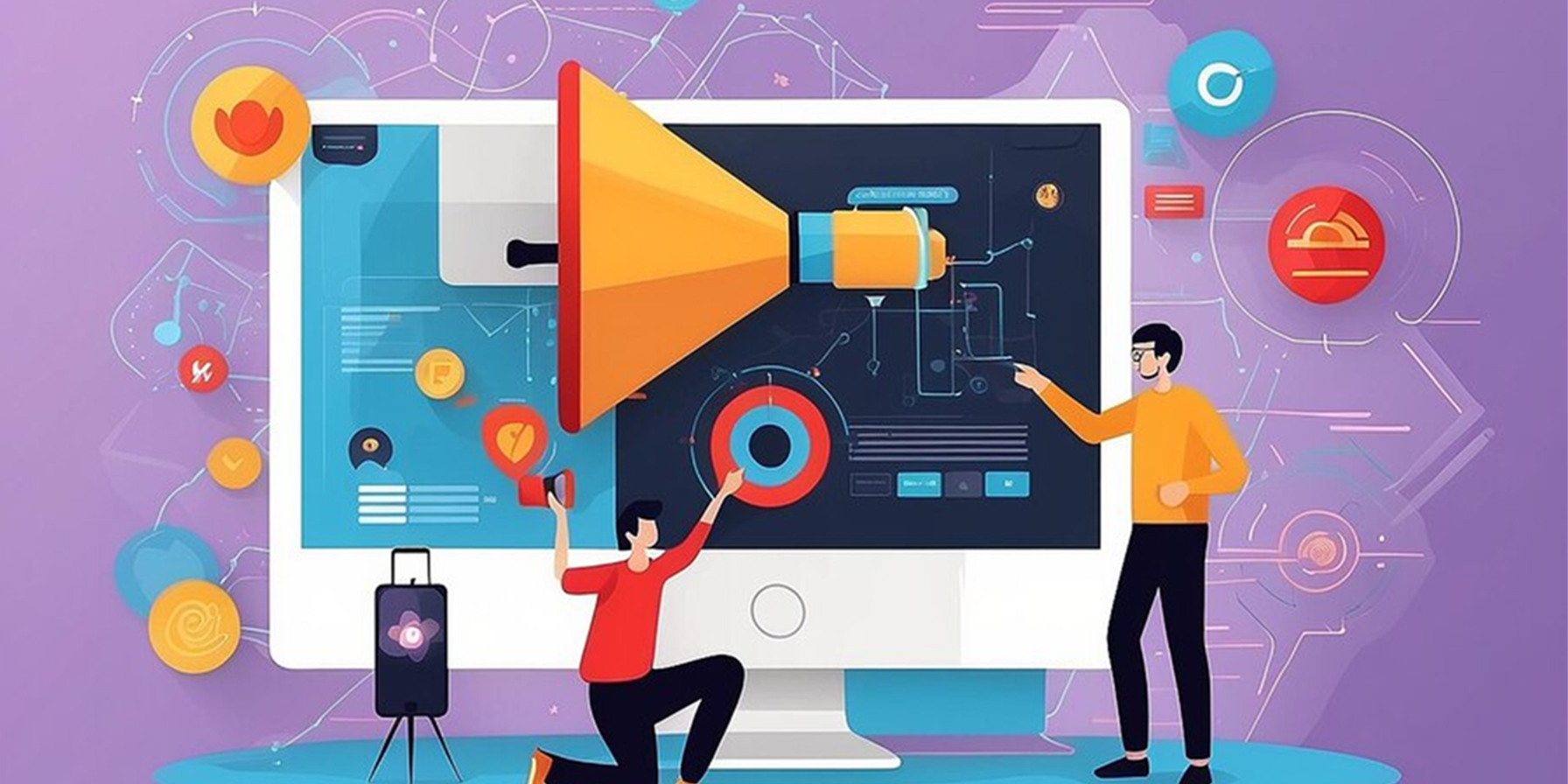
In the dynamic world of digital marketing, keeping up with the latest trends is essential for businesses aiming to stay ahead of the competition. As we move through 2024, three major trends are transforming the digital marketing landscape in India: Artificial Intelligence (AI), Augmented Reality (AR), and Voice Search. These technologies are not just buzzwords; they are powerful tools that can elevate your marketing efforts to new heights.
Let’s explore how leveraging AI, AR, and Voice Search can drive your success in the Indian market.
Artificial Intelligence: The Driving Force Behind Emerging Trends in Digital Marketing
Artificial Intelligence is becoming the cornerstone of sophisticated marketing strategies. AI’s ability to analyze vast amounts of data, predict consumer behavior, and personalize marketing efforts is revolutionizing the industry.
Personalization at Scale
AI enables hyper-personalized marketing campaigns. By analyzing user data and behavior, AI can deliver tailored content, product recommendations, and targeted advertisements, making each interaction more relevant and engaging for the consumer. For Indian users, this means receiving promotions and content that resonate with their preferences, culture, and buying habits.
For instance, consider an online clothing retailer. Using AI, the retailer can analyze past purchase behavior, browsing history, and even social media interactions to create personalized shopping experiences. The AI can recommend products that align with the user’s style, predict when they might need new items, and offer personalized discounts to drive conversions.
Predictive Analytics
AI-driven analytics can forecast trends and consumer needs, helping businesses to stay ahead. For example, an e-commerce platform can use AI to predict which products will be popular during the festive season and stock accordingly, ensuring they meet customer demand efficiently.
In India, festivals like Diwali, Holi, and Eid drive massive shopping sprees. AI can help businesses anticipate these surges in demand and prepare their inventory, marketing campaigns, and customer support accordingly. This predictive capability not only enhances customer satisfaction by ensuring product availability but also optimizes inventory management, reducing excess stock and associated costs.
Chatbots and Customer Support
AI-powered chatbots offer round-the-clock customer service, handling inquiries, resolving issues, and providing information instantly. This is particularly useful in India, where customer service expectations are high, and quick, efficient support can significantly enhance customer satisfaction.
Many Indian companies have already adopted chatbots to manage customer interactions. For example, HDFC Bank uses an AI-driven chatbot named EVA to answer banking-related queries, helping customers with transactions, account details, and other services without human intervention. This not only improves customer experience but also frees up human agents to handle more complex issues.
Augmented Reality: Bringing Experiences to Life
Augmented Reality is redefining how consumers interact with brands, offering immersive and interactive experiences that go beyond traditional marketing.
Virtual Try-Ons
AR technology allows users to virtually try on clothes, accessories, or even see how furniture looks in their home. This is particularly appealing to Indian consumers who prefer to experience a product before making a purchase, reducing the uncertainty of online shopping.
For example, Lenskart, an Indian eyewear company, uses AR to let customers try on glasses virtually. This feature has been a game-changer, enabling customers to see how different frames look on their face from the comfort of their home, thereby increasing online sales and reducing return rates.

Interactive Advertisements
AR can transform advertisements into engaging experiences. For example, a cosmetic brand can use AR to let users try different makeup looks through their smartphones, making ads more interactive and effective.
Another great example is Ikea, which uses AR in its app to allow customers to visualize how different pieces of furniture would look and fit in their home environment. This interactive experience helps in making informed purchasing decisions and enhances customer satisfaction.
Measuring Success
Like any marketing strategy, the effectiveness of your storytelling efforts should be measurable. Track key metrics such as engagement rates, brand sentiment, and conversion rates to gauge the impact of your narratives. Pay attention to feedback from your audience and iterate on your storytelling approach based on what resonates most effectively. Tools like social media analytics, customer feedback, and market surveys can provide valuable insights into the success of your storytelling campaigns.
In a crowded marketplace where attention is a precious commodity, the power of storytelling stands out as a beacon of authenticity and connection. By harnessing the art of storytelling in your marketing efforts, you can create meaningful experiences that resonate with your audience, foster emotional connections, and ultimately, drive long-term success for your brand. So, embrace the storyteller within you and embark on a journey to captivate, inspire, and engage your audience like never before. In a country as vibrant and diverse as India, the right story told well can transcend barriers and create lasting bonds with your audience.