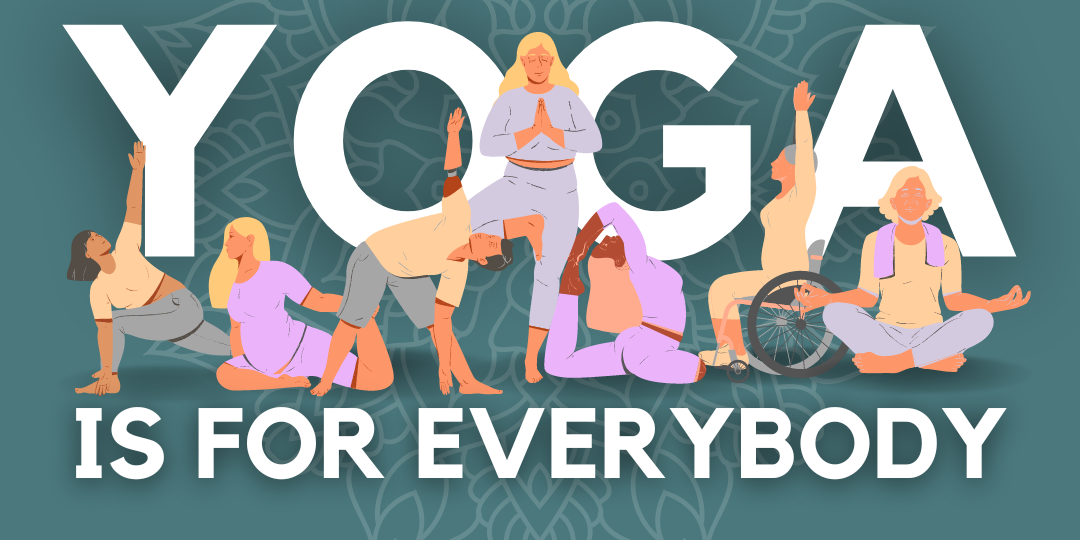
Transform Your Life: Incorporate Yoga into Your Daily Routine
Simple Steps to Seamlessly Integrate Yoga for Mind, Body, and Soul Wellness
Incorporating yoga into your daily routine can profoundly enhance your physical and mental well-being. This ancient practice, with a history spanning thousands of years, offers a multitude of benefits, from improving flexibility and strength to reducing stress and promoting inner peace. By Incorporate Yoga into Your Daily Routine, you can achieve a more balanced, healthy, and fulfilling lifestyle, supporting your overall health and personal growth.
Incorporating yoga into your daily routine can be a game-changer for both your physical and mental well-being. This ancient practice, which has been around for thousands of years, offers a wide range of benefits that can help you lead a more balanced, healthy, and fulfilling life. From improving flexibility and strength to reducing stress and anxiety, yoga can help you achieve a sense of calm and peace that is hard to find in today’s fast-paced world.
However, with so many different styles and forms of yoga, it can be difficult to know where to start. How do you make yoga a regular part of your daily routine? How do you find the right style of yoga for you? And how do you keep yourself motivated and on track? In this guide, we’ll explore practical steps to seamlessly Incorporate Yoga into Your Daily Routine, helping you discover the most suitable styles and techniques for your needs, and providing tips to maintain your practice consistently.
Here are some tips to help you make yoga a regular part of your daily routine:
Set a Specific Time and Place for Your Practice
One of the key elements of making yoga a regular part of your routine is to set aside a specific time and place for your practice. This consistency helps to build a habit and signals to your mind and body that it’s time to focus on your well-being. Identify your optimal time for yoga: morning sessions can energize you and set a positive tone for the day, midday sessions can break up your workday and reduce stress, and evening sessions can help you unwind and relax, promoting better sleep.
Create a dedicated space in your home that is free from distractions and interruptions. This could be a quiet corner of your bedroom, a dedicated room, or even a spot in your living room where you can lay down your mat. Make this space inviting by adding elements like soft lighting, candles, incense, or soothing music, and keep your yoga mat, props, and any other equipment in this space to make starting your practice easier.
Treat your yoga practice like any other important appointment by scheduling it on your calendar and setting reminders. This helps to establish yoga as a priority in your daily routine. While life can be unpredictable, having a backup plan for days when your usual practice time is disrupted can help maintain your commitment. Starting with just 10-15 minutes a day can be more sustainable, especially if you’re new to yoga.
Gradually increase the duration as you become more comfortable, and celebrate the effort you’re putting into building this new habit. Consistency is more important than perfection, and even a short, focused session can be incredibly beneficial. By setting a specific time and place for your yoga practice, you create a structured environment that fosters discipline and consistency, enhancing your overall experience and allowing you to fully reap the benefits of this ancient practice.
Start Small and Be Consistent
When incorporating yoga into your daily routine, it’s crucial to start small and be consistent. Rather than aiming for an hour-long class every day, begin with just a few minutes of practice. This approach is less daunting and more manageable, making it easier to Incorporate Yoga into Your Daily Routine despite busy schedule. Starting with short sessions also allows you to focus on building a strong foundation in your practice without feeling overwhelmed.
Even a brief practice can yield significant benefits, such as improved flexibility, reduced stress, and enhanced mindfulness. As you become more comfortable and confident with your yoga routine, you can gradually increase the duration of your sessions. For example, you might start with five to ten minutes each day and add a few more minutes each week. This gradual increase helps your body adjust and prevents burnout or injury.
Consistency is key to making yoga a lasting part of your daily routine. To maintain consistency, try to practice at the same time each day, whether it’s in the morning to energize yourself for the day ahead, during a lunch break to refresh your mind and body, or in the evening to unwind and relax. Keeping your sessions short at first makes committing to this regular practice easier.
Additionally, tracking your progress can be motivating. Keep a journal to note how you feel before and after each session or use a yoga app to monitor your practice duration and frequency. Celebrating small milestones, like practicing daily for a week or increasing your session length, can also motivate you.
By starting small and being consistent, you set yourself up for success in incorporating yoga into your daily routine. This method not only makes the practice more accessible but also helps in creating a sustainable and rewarding routine that you can maintain in the long run.
Make It a Habit
Establishing yoga as a regular part of your daily routine hinges on creating a habitual practice. One effective strategy is to link your yoga session with an existing daily habit. For instance, you could integrate yoga into your morning routine immediately after brushing your teeth or before going to bed at night. By associating yoga with an activity you already do consistently, you leverage the power of habit stacking, which helps solidify your commitment to practicing yoga daily.
The idea behind habit stacking is to use an established habit as a trigger or cue for the new behavior—in this case, yoga practice. This approach capitalizes on the automatic nature of habits, making it easier to initiate and maintain your yoga routine over time.
Moreover, choosing a specific time and activity to pair with yoga helps to create a dedicated space in your daily schedule for self-care and mindfulness. It reinforces the importance of your yoga practice and reduces the likelihood of skipping it due to distractions or competing priorities.
To reinforce this habit, consider setting reminders or alarms to prompt your practice session. Over time, as yoga becomes ingrained in your routine, it naturally evolves into a seamless part of your day, contributing to your overall well-being and consistency in practice.
Find a Style That Resonates with You
Hatha yoga, characterized by its gentle pace and focus on foundational poses (asanas), is ideal for beginners and those seeking a balanced practice that enhances strength and flexibility. Its emphasis on breath control (pranayama) promotes relaxation and mindfulness.
Vinyasa yoga, known for its fluid sequencing of poses coordinated with breath, offers a dynamic and energizing practice. It suits individuals who enjoy movement and want to build strength, improve cardiovascular fitness, and cultivate a flowing meditation in motion.
Kundalini yoga integrates movement, dynamic breathing techniques, meditation, and the chanting of mantras to awaken and harness the dormant energy within. It’s particularly beneficial for spiritual development, stress reduction, and enhancing overall vitality.
Exploring different styles allows you to experience their unique qualities and find the one that resonates most with your preferences and wellness objectives. Whether you prioritize physical fitness, mental clarity, or spiritual growth, selecting a yoga style that aligns with your needs enhances your enjoyment and commitment to regular practice.
Use Props if Needed
Blocks are typically used to bring the floor closer to you, providing stability and support during standing poses, seated poses, and balancing poses. They help maintain alignment and prevent overstretching or strain, making them particularly useful for beginners who are still developing flexibility.
Straps help extend your reach and deepen stretches without compromising alignment. They are beneficial for individuals with tight muscles or limited flexibility, allowing them to comfortably grasp limbs or achieve correct alignment in seated and reclining poses.
Blankets offer padding and support, making seated poses and relaxation postures more comfortable. Rolled blankets can also provide cushioning under knees, hips, or elbows, enhancing comfort and ease during practice.
By incorporating props into your yoga practice as needed, you can adapt poses to suit your current abilities and gradually build strength and flexibility. Props not only enhance safety and alignment but also empower you to explore and deepen your practice with confidence and comfort. As your practice evolves, you may find that using props enriches your understanding of poses and facilitates a more mindful and fulfilling yoga experience.
Practice with a Partner or a Group
Practicing yoga alongside a partner or within a group setting can significantly enhance your motivation and commitment to your practice. Sharing the experience with others not only fosters a sense of community but also offers several benefits that can enrich your yoga journey.
Motivation and Accountability: Practicing with a partner or group provides built-in accountability. Knowing that others are counting on you to show up can help you stay committed to your practice, even on days when motivation is low. This accountability fosters consistency and helps you maintain a regular yoga routine.
Shared Learning and Support: Yoga groups often include practitioners of varying levels, providing opportunities for shared learning and support. Practicing with others allows you to observe different approaches to poses and techniques, gain insights from their experiences, and receive encouragement and feedback.
Exploration of Poses and Styles: Practicing with a partner or group encourages exploration of different yoga poses and styles. You can try partner poses that enhance communication, trust, and connection, or explore various yoga styles together, such as gentle Hatha, dynamic Vinyasa, or meditative Yin yoga. This diversity keeps your practice engaging and allows you to discover what resonates most with you.
Fun and Social Interaction: Yoga sessions with others can be enjoyable and uplifting. They provide opportunities for social interaction, laughter, and shared experiences, fostering a supportive and positive atmosphere. Building relationships with fellow practitioners can also create a sense of belonging and community within your yoga practice.
Enhanced Mindfulness and Presence: Practicing yoga in a group setting can deepen your sense of mindfulness and presence. Sharing collective energy and intention during group sessions can amplify the benefits of meditation and relaxation practices, fostering a deeper connection with yourself and others.
Whether you join a yoga class, attend a group session at a studio, or practice with friends or family members at home, incorporating group dynamics into your yoga routine can enrich your experience and help you cultivate a consistent and fulfilling practice.
Incorporate Mindfulness and Meditation
Yoga extends beyond physical movements to include mindfulness and meditation practices that enhance overall well-being. Integrating mindfulness and meditation into your yoga practice can significantly enrich its benefits by fostering a deeper connection between mind, body, and spirit.
Mindfulness in Yoga: Mindfulness involves paying attention to the present moment without judgment, and cultivating awareness of your thoughts, sensations, and surroundings during yoga practice. By bringing mindfulness to your movements and breath, you develop a greater understanding of your body’s capabilities and limitations. This awareness helps you adjust poses to suit your needs, prevent injury, and deepen your practice.
Meditation Practices: Meditation complements yoga by quieting the mind and cultivating inner peace and clarity. Incorporating meditation into your yoga routine can range from seated meditation at the beginning or end of your practice to integrating mindfulness throughout the session. Techniques such as focusing on the breath (pranayama), mantra repetition, or guided visualization can deepen relaxation and promote emotional balance.
Stress Reduction and Mental Clarity: Mindfulness and meditation techniques practiced in yoga contribute to stress reduction by calming the nervous system and reducing cortisol levels. Regular practice enhances resilience to stressors, promotes emotional regulation, and fosters a sense of inner calm and serenity. By cultivating a mindful approach to yoga, you can experience a more profound connection with yourself and others, enhancing overall well-being.
Integration into Daily Life: Beyond the mat, mindfulness and meditation cultivated through yoga can extend into daily life, promoting greater awareness, patience, and resilience in facing challenges. Practicing mindfulness during daily activities, such as eating, walking, or interacting with others, enhances present-moment awareness and supports a balanced and mindful lifestyle.
By incorporating mindfulness and meditation practices into your yoga routine, you enhance the holistic benefits of yoga, nurturing both physical vitality and mental clarity. These practices deepen your experience of yoga as a transformative journey toward greater well-being and inner peace.
Incorporate Mindfulness and Meditation
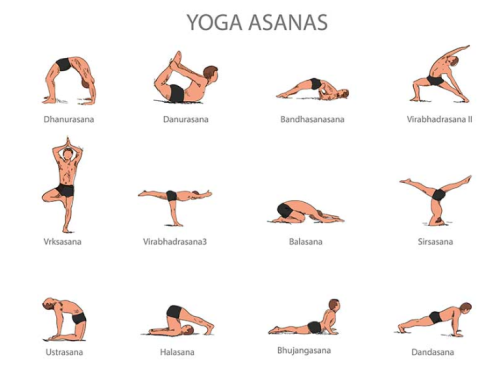
Starting with beginner-friendly yoga poses can make your practice more accessible and enjoyable. Here are some poses to get you started:
- Mountain Pose (Tadasana): Improves posture, balance, and calm focus.
- Child’s Pose (Balasana): Provides a gentle stretch for the back, hips, and thighs.
- Cat-Cow Pose (Marjaryasana/Bitilasana): Increases flexibility in the spine and relieves tension.
- Downward-Facing Dog (Adho Mukha Svanasana): Strengthens the arms, legs, and back while stretching the shoulders and hamstrings.
- Warrior I (Virabhadrasana I): Enhances strength and stability in the legs and core.
- Seated Forward Bend (Paschimottanasana): Stretches the hamstrings and lower back while promoting relaxation.
Advanced Practice Tips
- Explore Advanced Poses: Try more challenging poses like Crow Pose (Bakasana) or Headstand (Sirsasana) to build strength and focus.
- Incorporate Pranayama: Practice advanced breath control techniques to enhance energy flow and concentration.
- Expand Your Knowledge: Read books or take advanced classes to deepen your understanding of yoga philosophy and anatomy.
Conclusion
Incorporating yoga into your daily routine is a transformative journey that brings profound benefits to both your body and mind. By setting a specific time and place for your practice, starting small and being consistent, making it a habit, finding a style that resonates with you, using props if needed, practicing with a partner or group, and integrating mindfulness and meditation, you can seamlessly weave yoga into your daily life.
This practice not only enhances your physical health but also fosters mental clarity, reduces stress, and promotes a deep sense of inner peace. Start your journey today and discover the holistic benefits that yoga can bring to your everyday life, helping you to reconnect with yourself and find balance in a fast-paced world. Visit Digital Reconnect for more tips and insights on integrating wellness practices into your daily routine.